


Life in Israel

After the Second World War ended, the four teenagers returned to Amsterdam to begin a new life. They were all active in the Zionist youth movement “She’ar Yashuv” and interested in political developments in Palestine. The experience of the Holocaust had strengthened their desire to emigrate there. When the State of Israel was founded in May 1948, this became possible, and they emigrated in the 1950s.
When did Chanan emigrate to Israel?
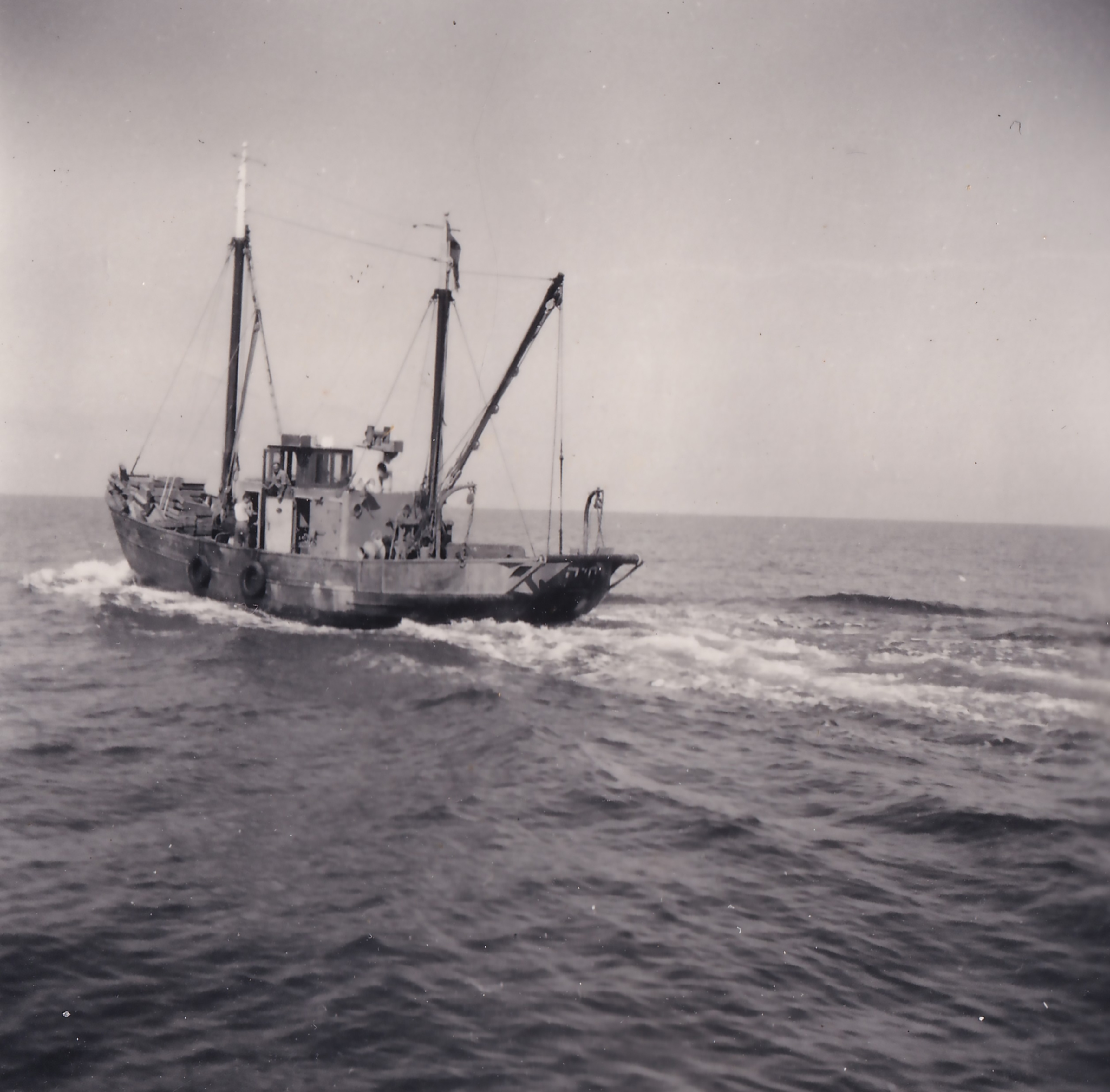
In 1950, Chanan completed his studies as an engineering technician and joined the crew of a fishing boat as a mechanic. The boat sailed from the Netherlands to Israel, and after a three-week voyage across the Mediterranean Sea, he arrived in Kibbutz Palmachim.
© Private property of the Tal family
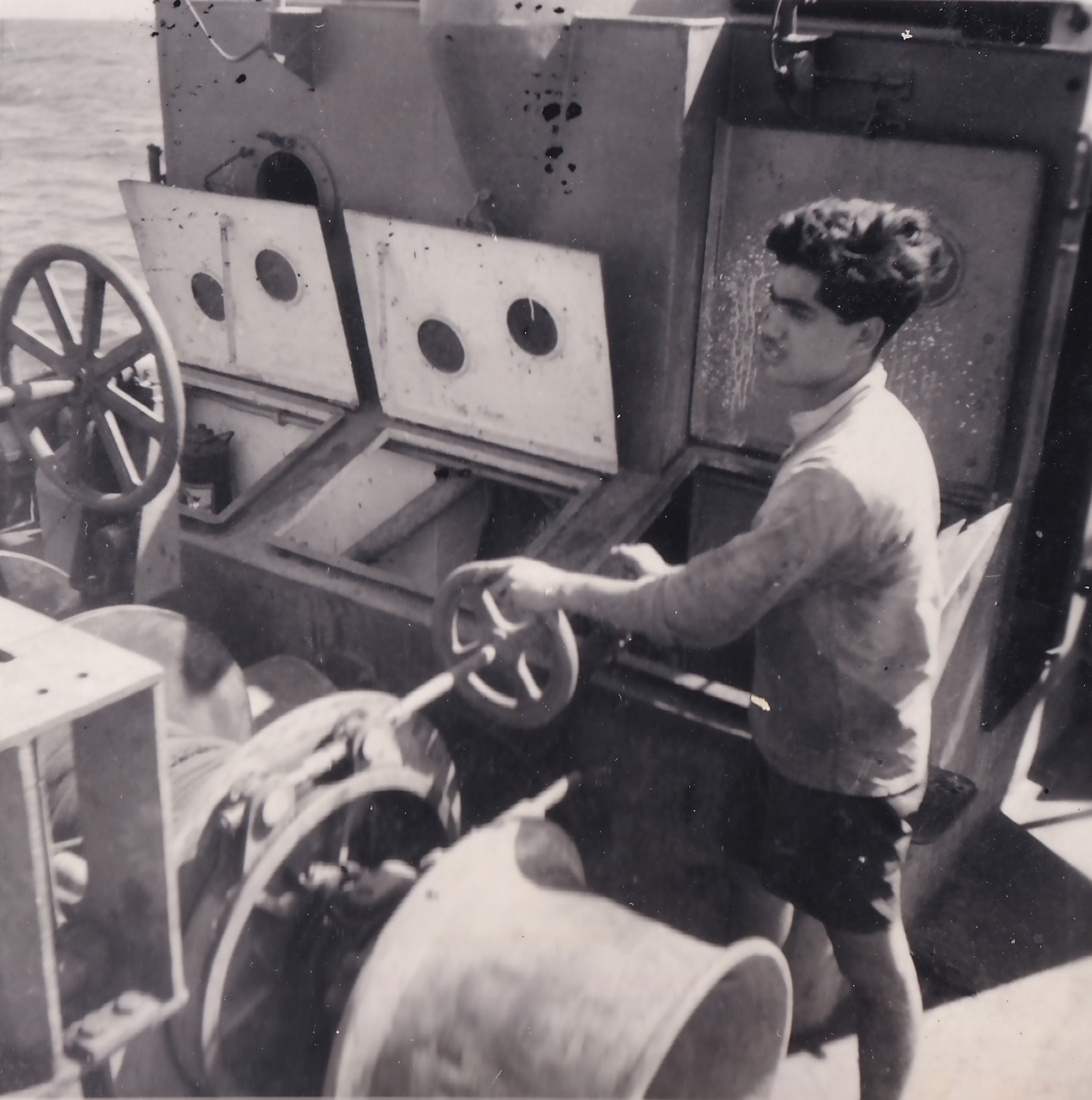
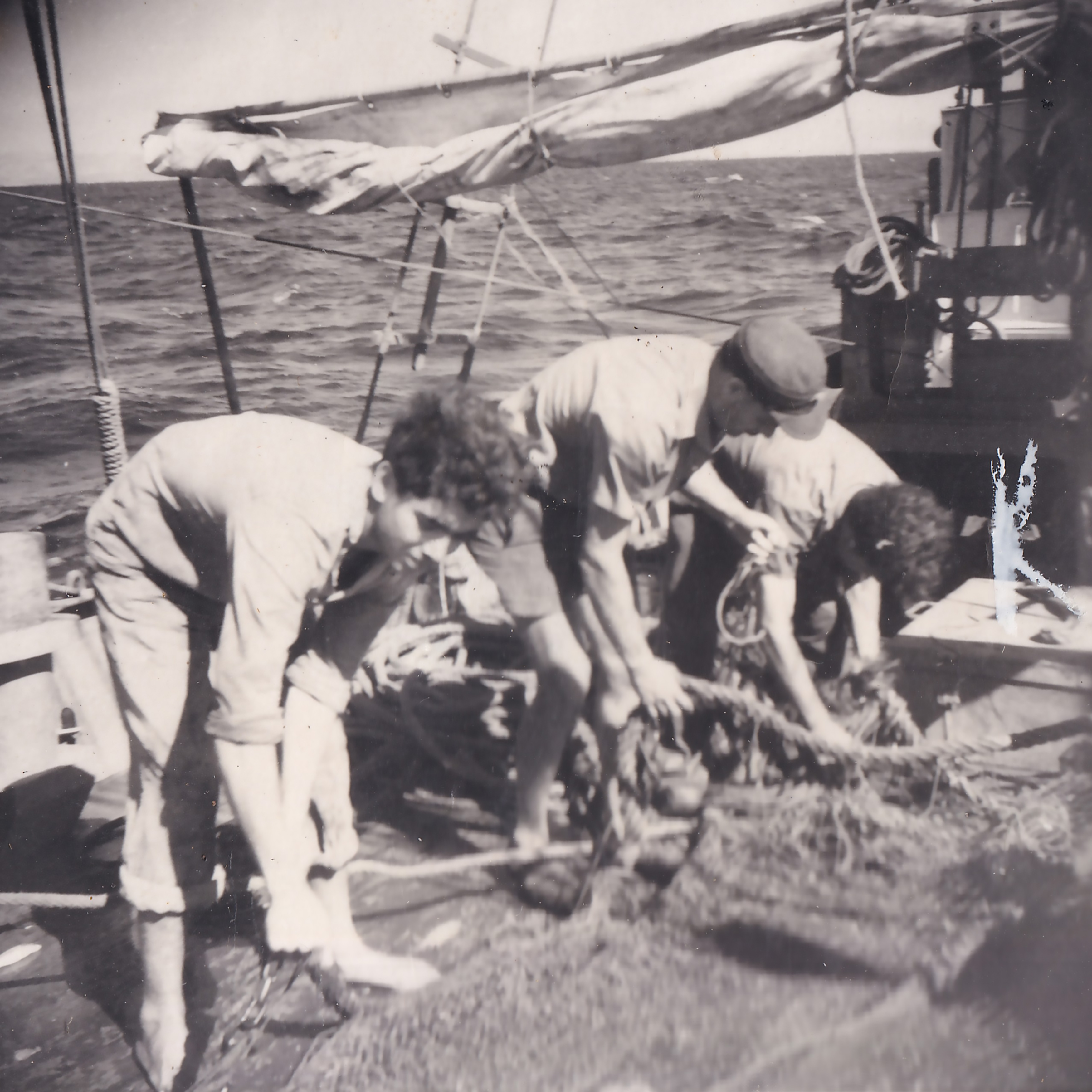
This is how Chanan immigrated to Israel. The adventure continued once he was there and worked for a year as a fisherman on the boat.
© Private property of the Tal family
© Private property of the Tal family
In the winter of 1952, Chanan enlisted in the IDF (Israel Defense Forces). He served in the Air Force Engineering Department and completed his service as an officer.

© Private property of the Tal family
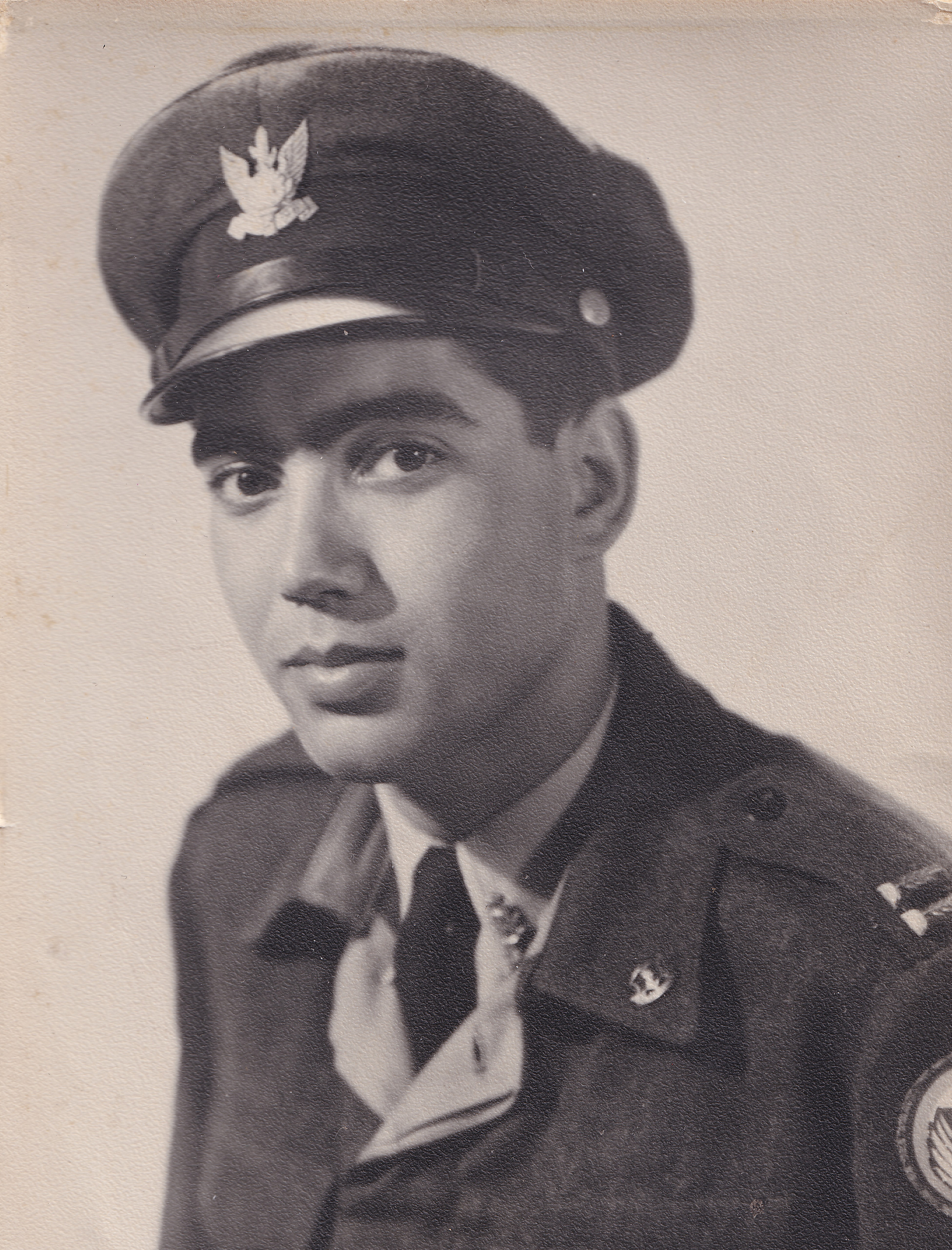
© Private property of the Tal family
In 1954, after completing his military service, he returned to the Netherlands to pursue a degree in mechanical engineering at Delft University. During this time, he and Annelie reconnected, and in 1956, they married in the Netherlands.
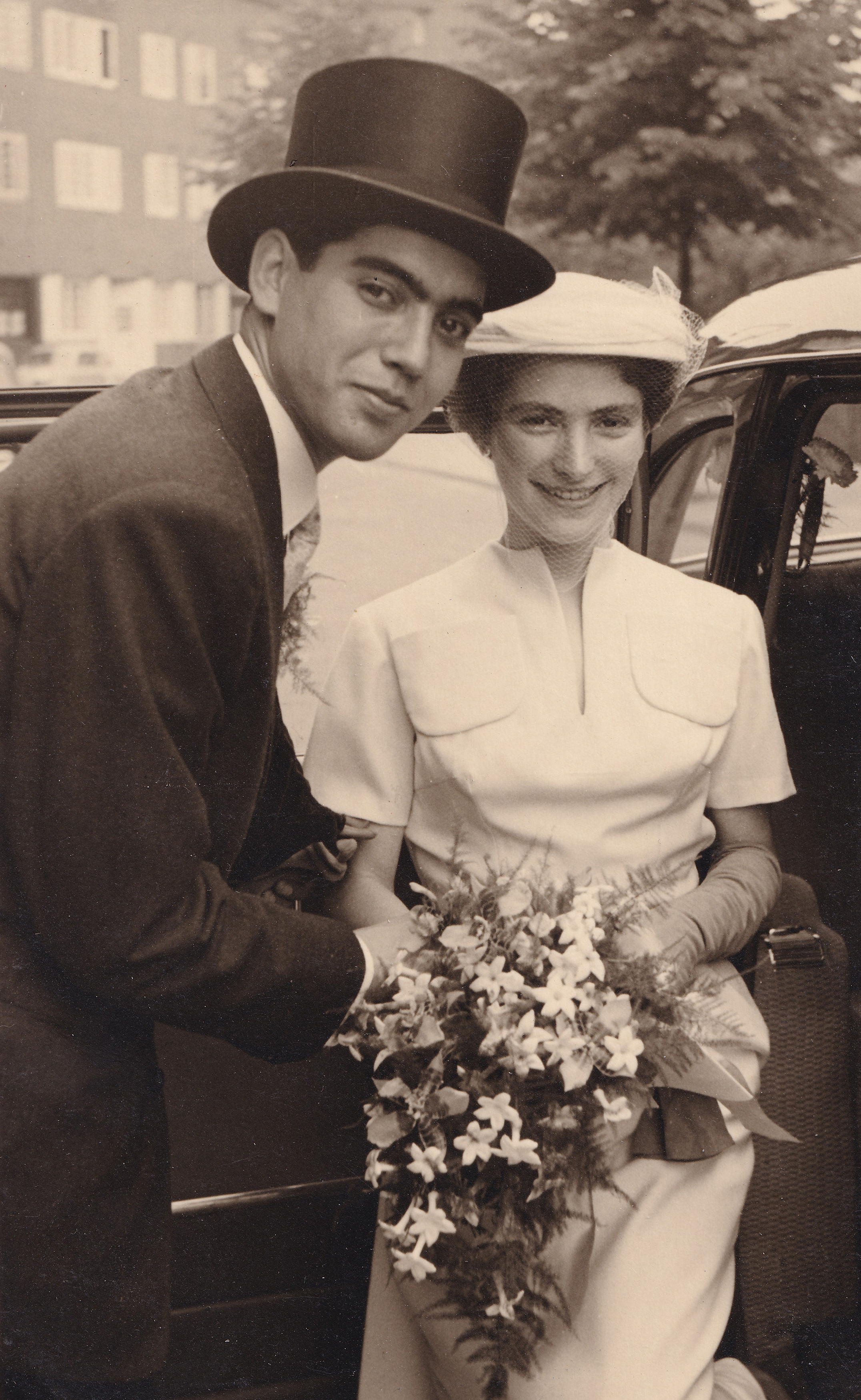
© Private property of the Tal family
Their first son, Elisha, was born in 1958 in the Netherlands.
In the winter of 1959, the family immigrated to Israel with No’omi, Ab, and their children. Chanan and Annelie’s decision to settle in the desert town of Be’er Sheva was based on the wish to help develop the Negev desert.
© Private property of the Tal family
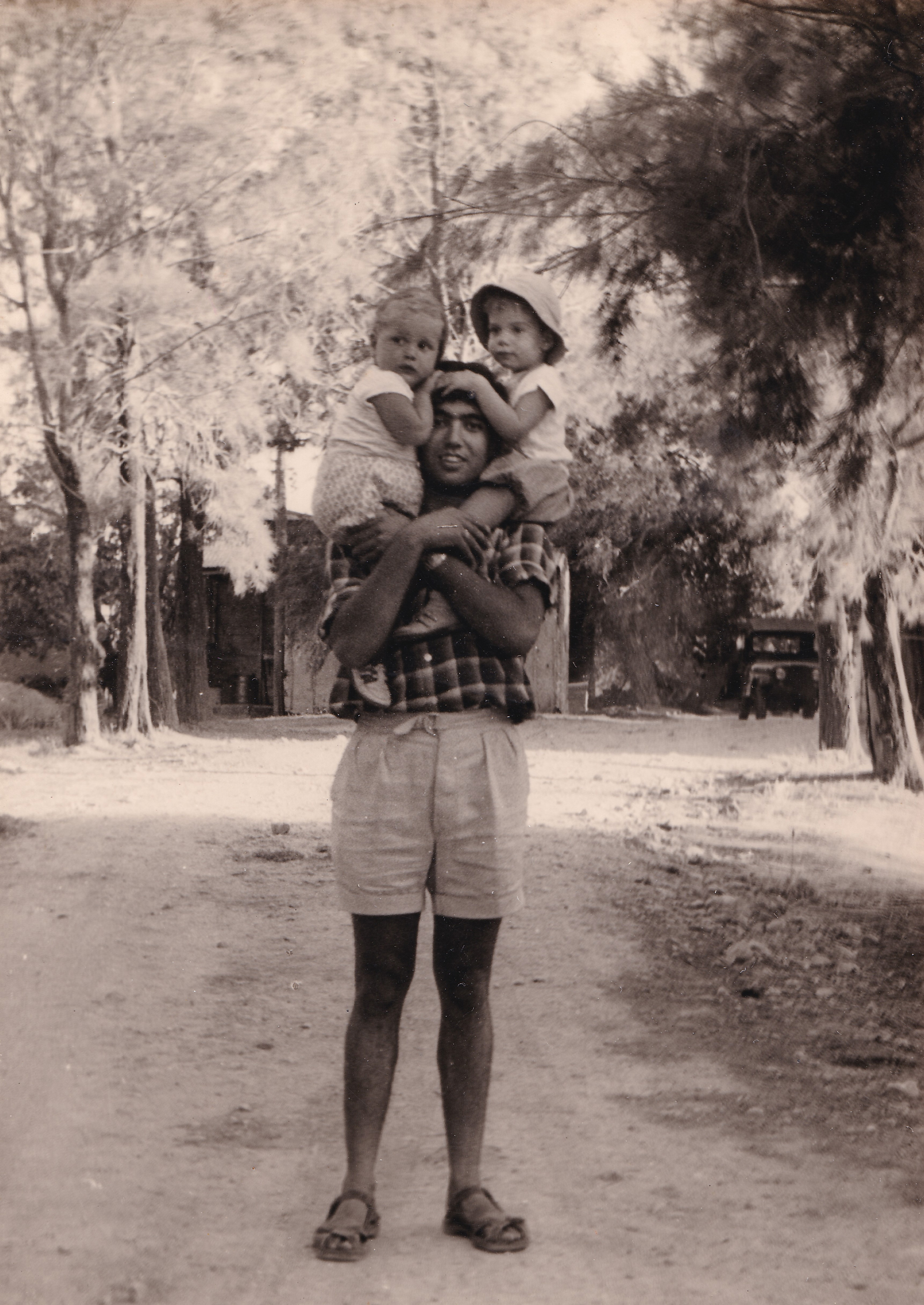
Chanan and his family travelled regularly to Rehovot, where No’omi and Ab lived with their children. This picture of Chanan was taken during a visit in the summer of 1960. Sitting on his shoulders are No’omi’s son Choni (left) and Chanan’s son Elisha (right, wearing a hat).

From the estate of Chanan Tal. Original source unknown
Chanan worked as an engineer in the emerging chemical industry in the Negev. He remained involved in the development of this extensive industry until he retired.
The family grew: in 1960, their son Micha was born, and in 1965, their daughter Leora was born.
© Private property of the Tal family
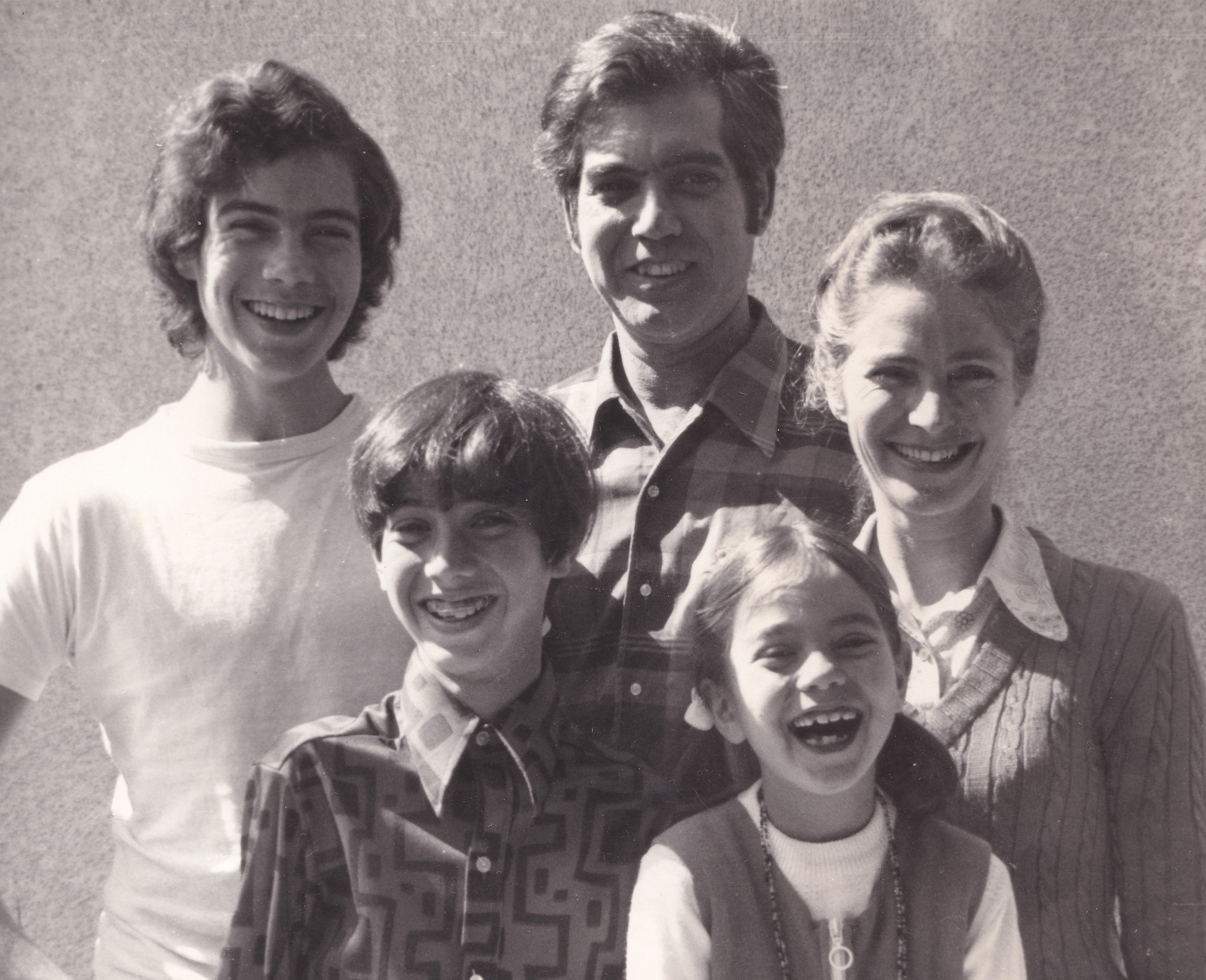
This picture was taken in front of their house in Be’er Sheva in 1974. From left to right: Elisha, Micha, Chanan, Leora and Annelie.
Over the years, Chanan devoted much of his time to social activities. He volunteered for nearly 50 years, helping establish and develop Kfar Rafael, a healing community for people with special needs.
Worrying that his memories were fading, Chanan returned to Bergen-Belsen in the late 1960s to seek confirmation of what he remembered. As he walked through the camp, he saw no visible traces of what had once been there. His foot suddenly struck the sole of a shoe – a silent testament to what had happened there.
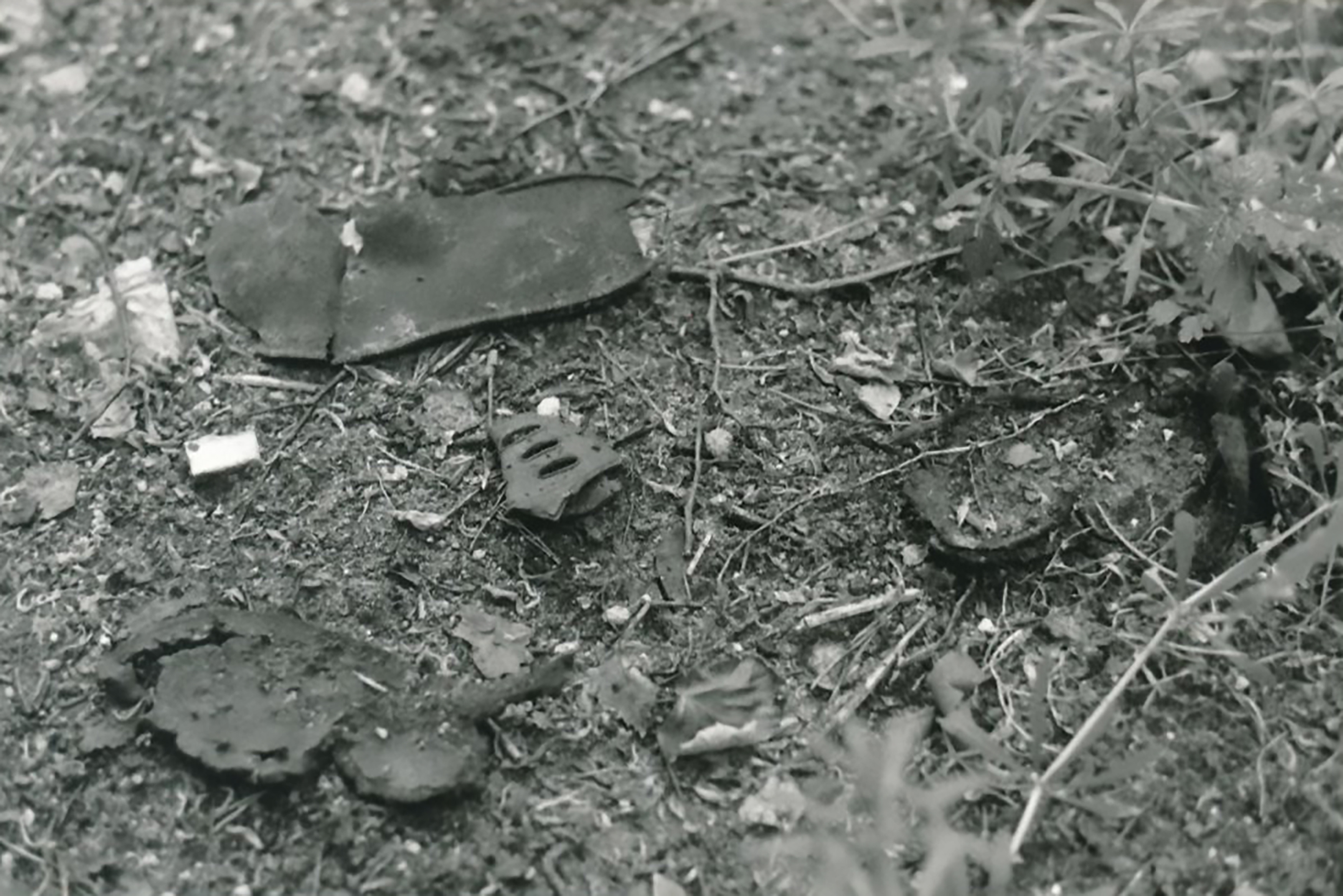
© Bergen-Belsen Memorial, No. 9514
In 1992, Chanan and No’omi visited the site where their father had been buried in April 1945, a mass grave in East Germany.
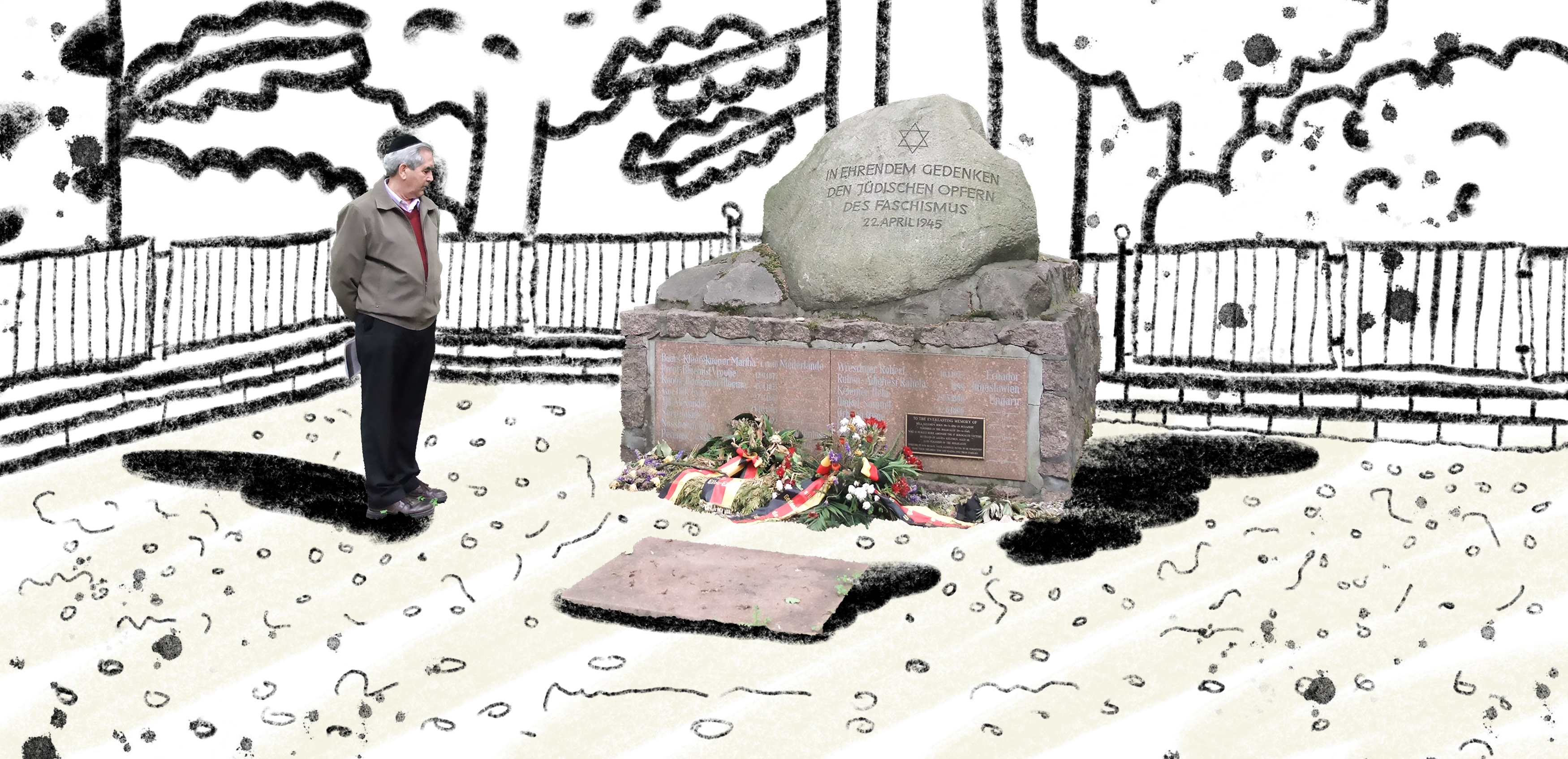
© Private property of the Tal family
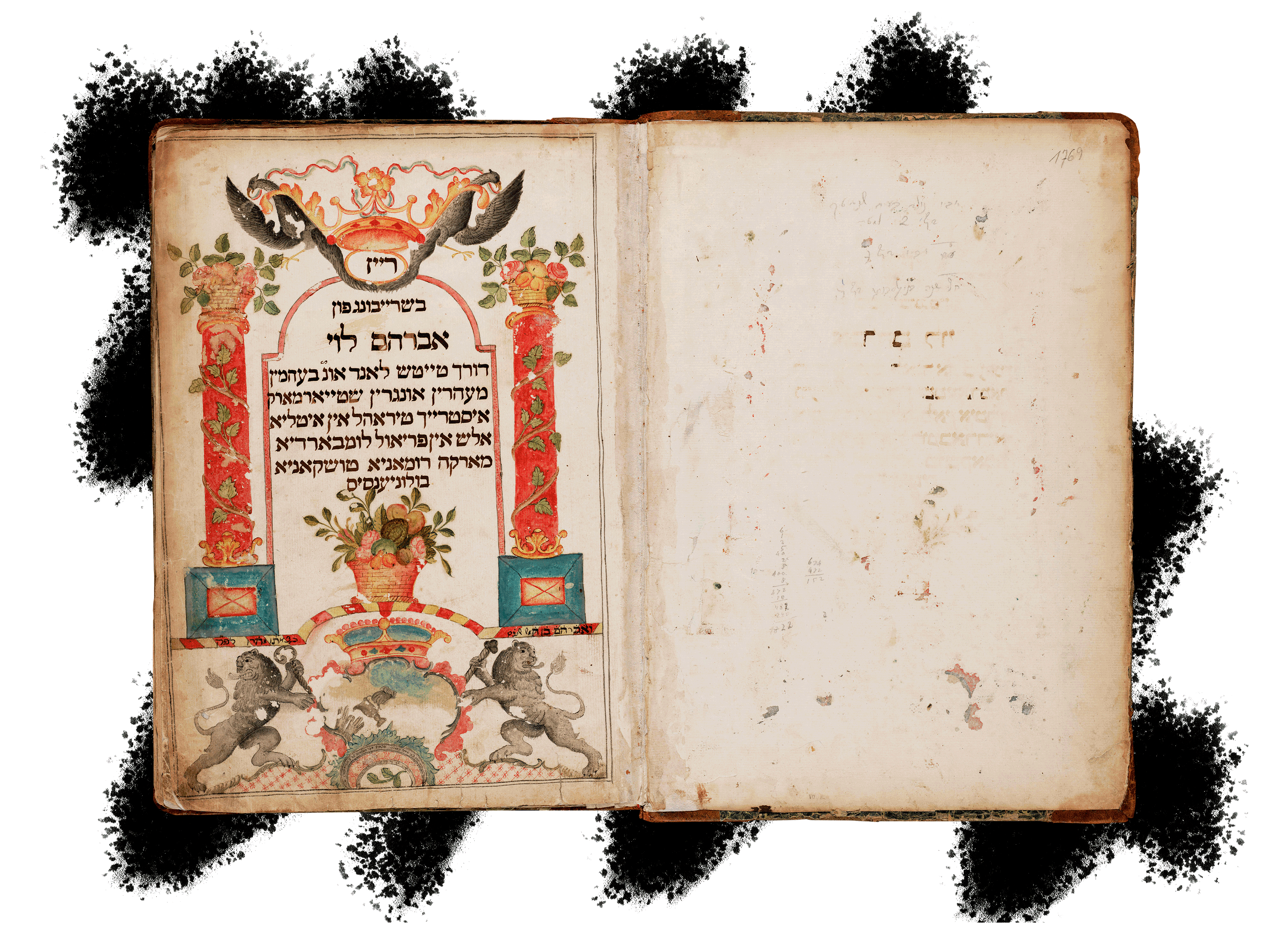
Hoping to instil the visit with meaning, Chanan decided to research the history of the Tal family.
Allard Pierson Depot, Bibliotheca Rosenthaliana, University of Amsterdam, copyright-free
Transcription
Through Germany and Bohemia, Moravia, Hungary, Styria, Austria, Tyrol, Italy, Friuli, Lombardy, Marche, Romagna, Tuscany, Bologna
Stadsarchief Amsterdam / Collectie Koninklijk Oudheidkundig Genootschap (Collection Royal Antiquities Society), No. KOG-AA-2-16-298, copyright-free
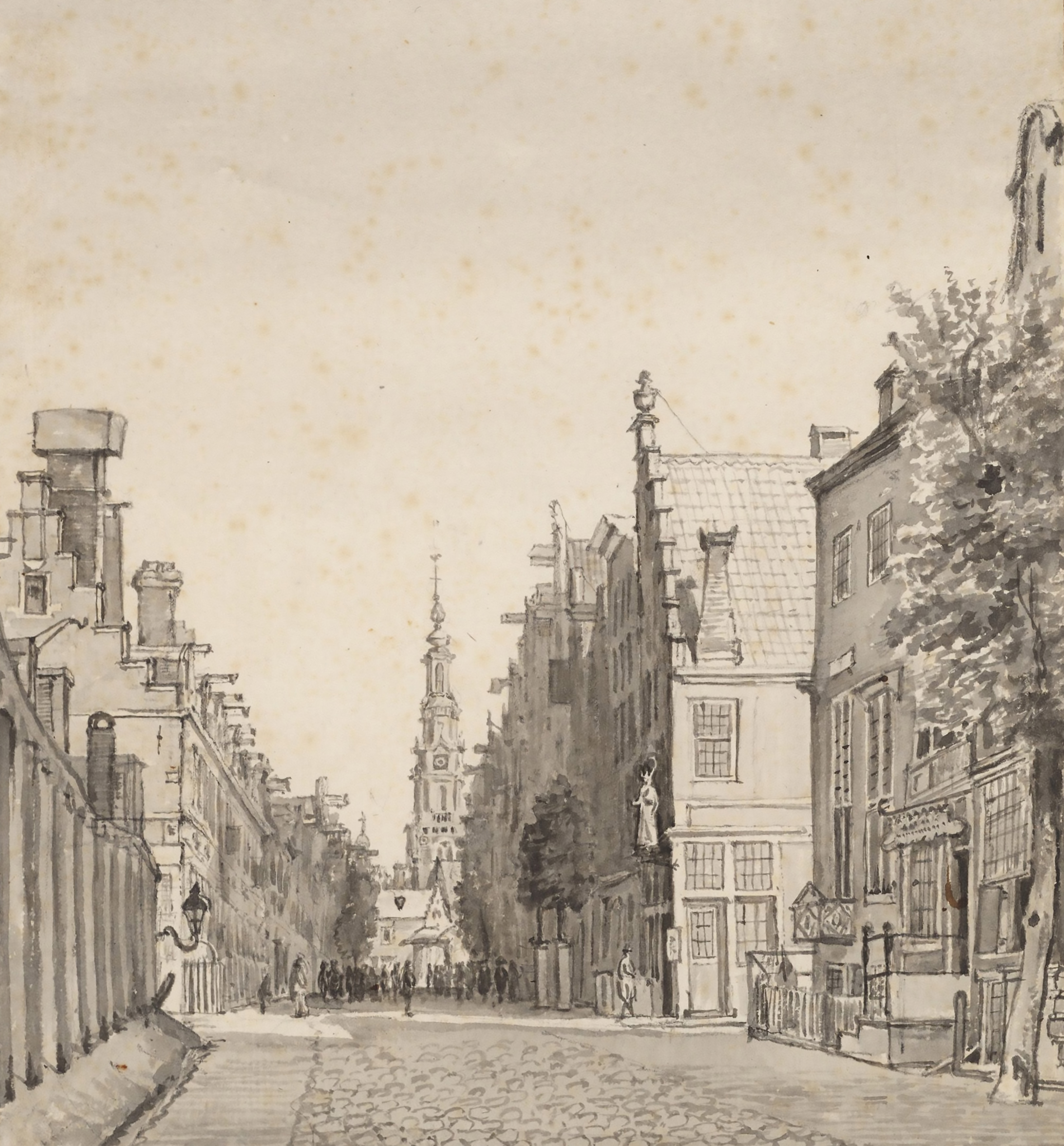
What is the origin of the family name, where did they come from and when did they arrive in Amsterdam? These questions led him to a rich and detailed study that went back some 300 years to the early 18th century. He also studied the Jewish community in Amsterdam before the Holocaust, focusing on the history of the Jews in general and his family’s personal experience of the Holocaust. He wrote, edited, and translated several books on the subject.
© Private property of the Tal family
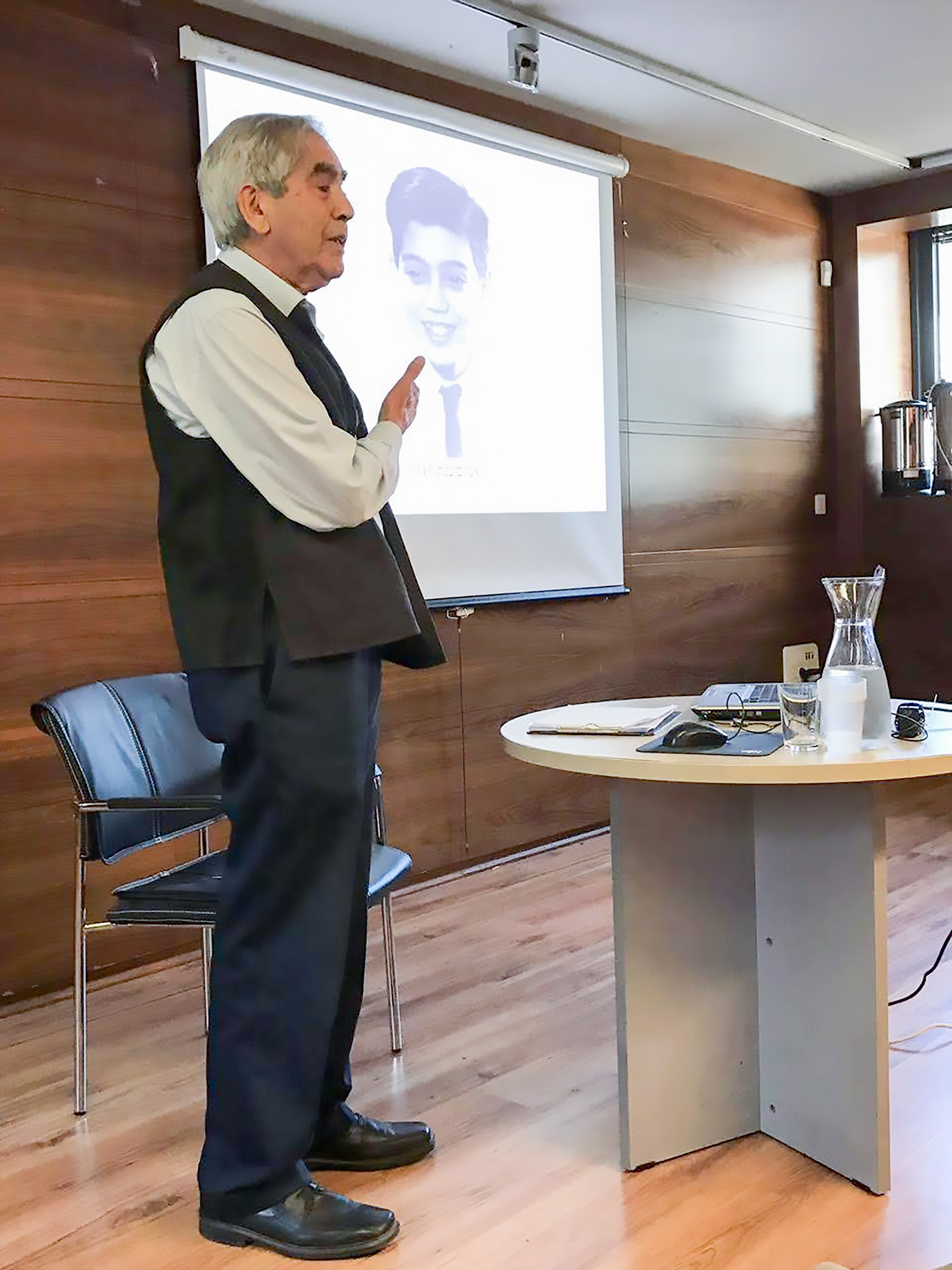
Chanan gave many lectures on what he experienced in the Holocaust and ended each lecture with his most important message.
I want to add a few more words. What has all that I’ve been through taught me? We, who have experienced discrimination and racism in the most extreme way, need to protect human rights and respect others, even if they are foreign and even if they are an adversary. Weiter

Discrimination and racism are things that should not appear in our thought and behaviour patterns.
We, who have lived in extremely difficult conditions and suffered from real hunger, must know the difference between the important and the marginal in life, avoid over-preoccupation with trivialities and minor things, give up if they are not exactly to our liking, and concentrate mainly on the things that really matter.
© Private property of the Tal family
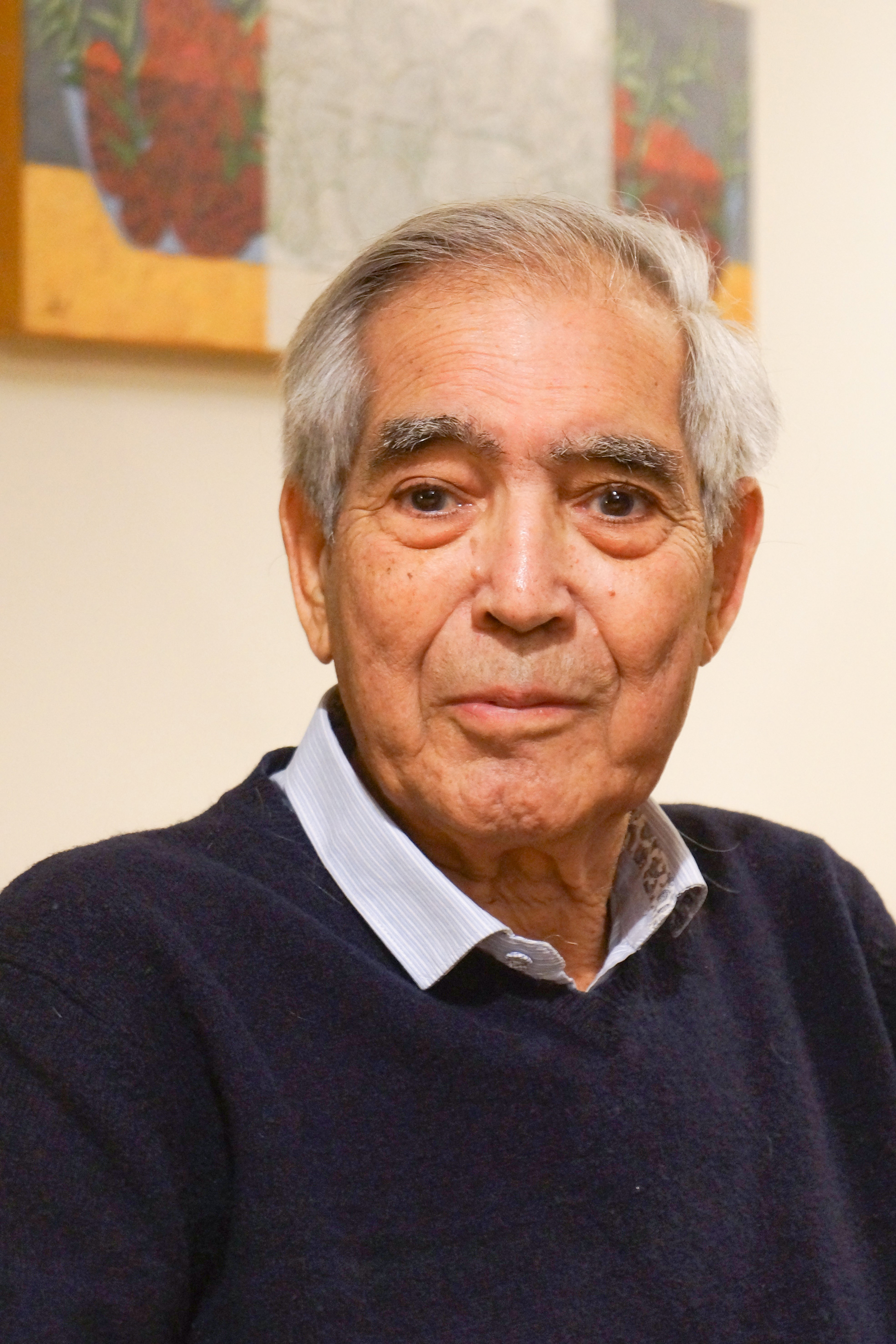
Chanan remained active until his death on 24 January 2021. He is survived by three children, twelve grandchildren, and 18 great-grandchildren.
How did Annelie get to Israel?
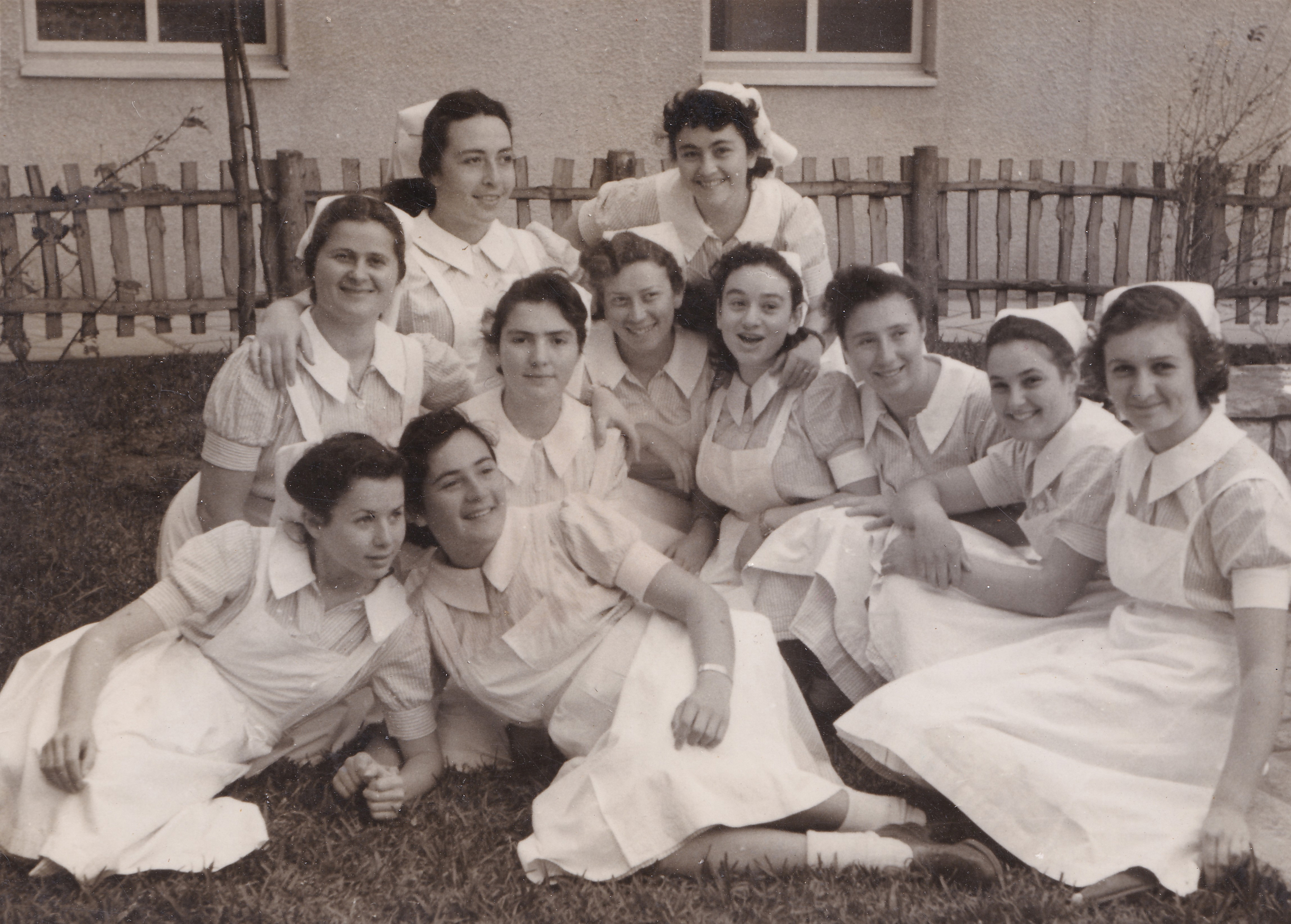
After graduating from high school, Annelie travelled for six months to the United States with her brother Joost. On her return journey in the summer of 1950, she met a group of American Jewish pioneers who were immigrating to Israel and decided to join them.
© Private property of the Tal family
After arriving in Israel, Annelie spent nine months with the pioneer group in Kibbutz Geva. In 1951 she moved to Haifa, where a friend of hers who had also survived the Holocaust, was studying. She joined a caregivers course there.
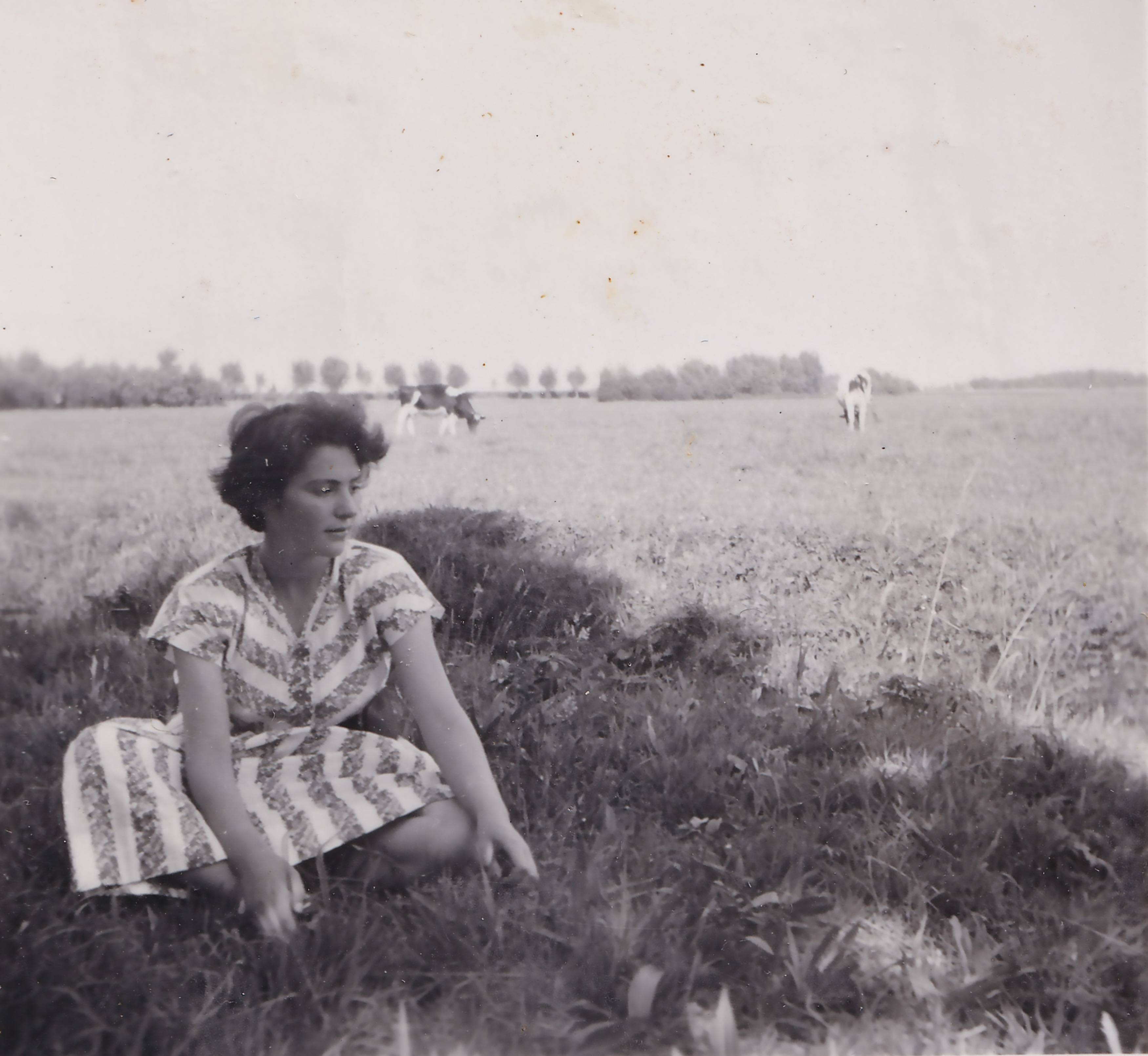
After nearly a year in Israel, Annelie visited the Netherlands but did not have the strength to return to Israel on her own. Confronting her painful memories, her deep sorrow over the loss of her parents, and her uncertain future was very difficult for her.
© Private property of the Tal family
She studied to become a medical laboratory technician and began therapy to process the trauma she experienced.
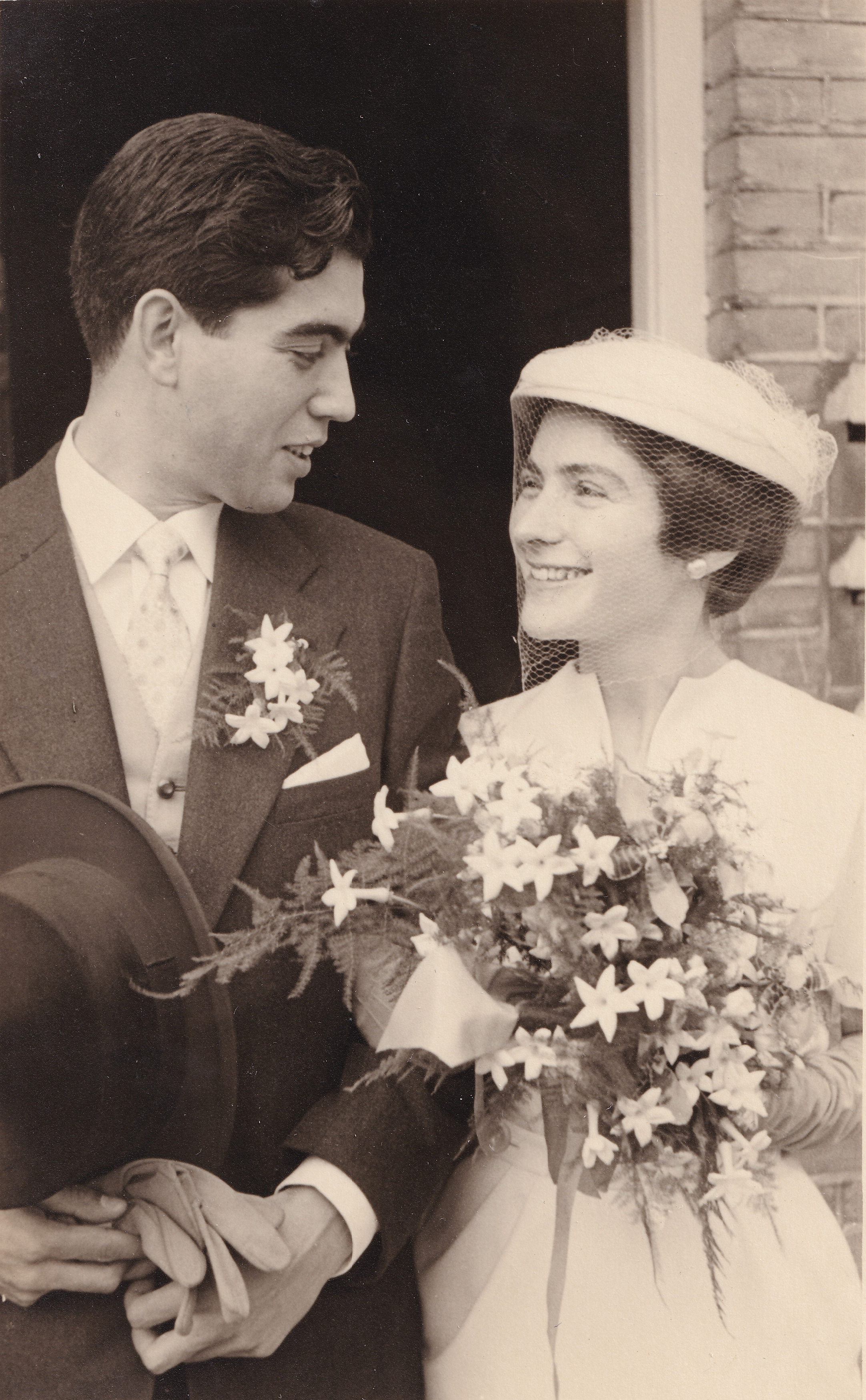
Annelie and Chanan married in the summer of 1956. They had met in the camps and later in the youth movement. They were deeply connected by their wartime experiences and shared a strong mutual understanding.
© Private property of the Tal family
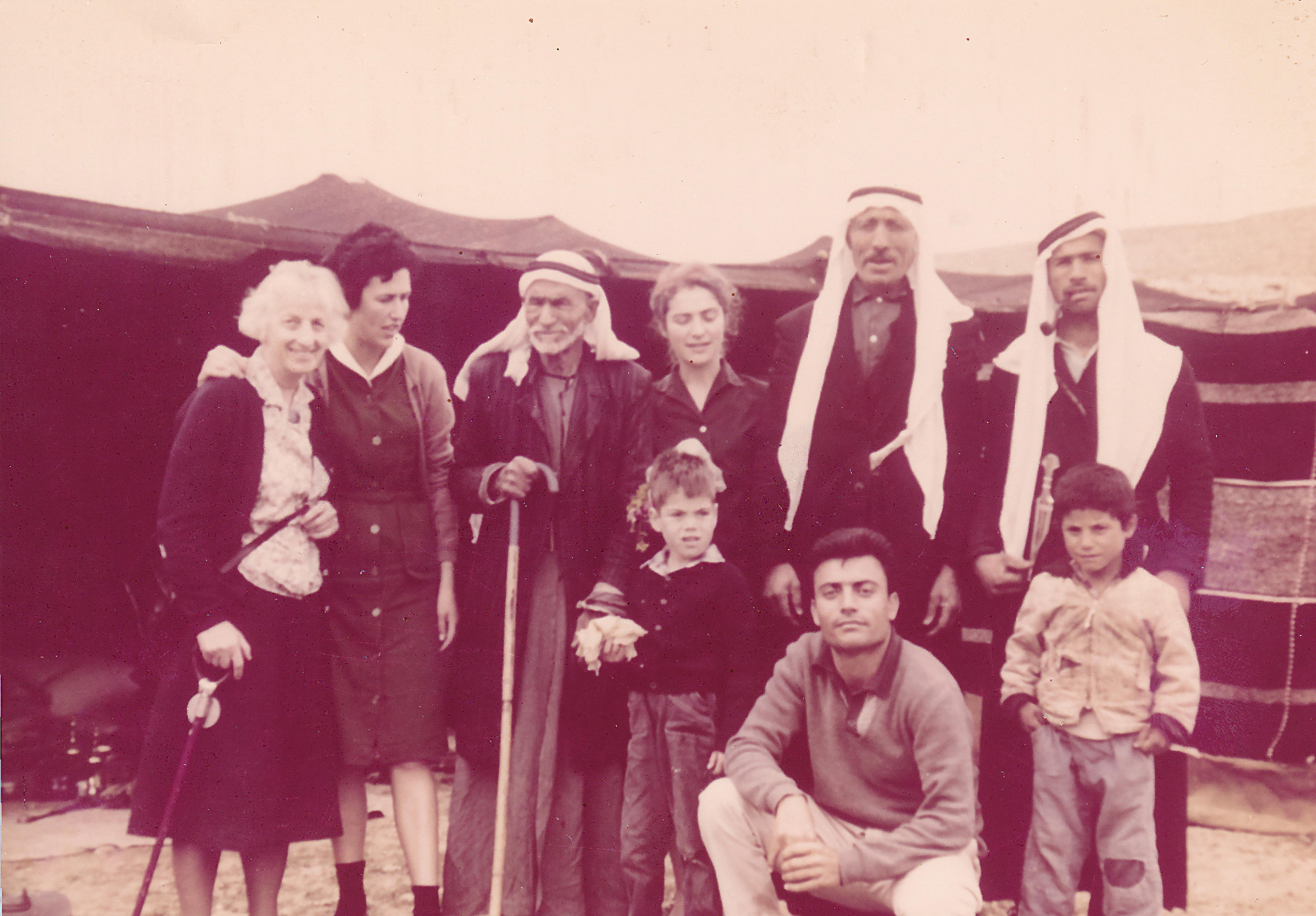
In 1958, their eldest son, Elisha, was born. In the winter of 1959, Chanan and Annelie immigrated to Israel and settled in Be’er Sheva. Annelie joined the governmental health service, where she treated members of the Bedouin community living in the region.
© Private property of the Tal family
The picture shows a Bedouin family, traditional Arab nomadic pastoralists, in front of their tent with health service staff, and Annelie and Elisha in the middle.
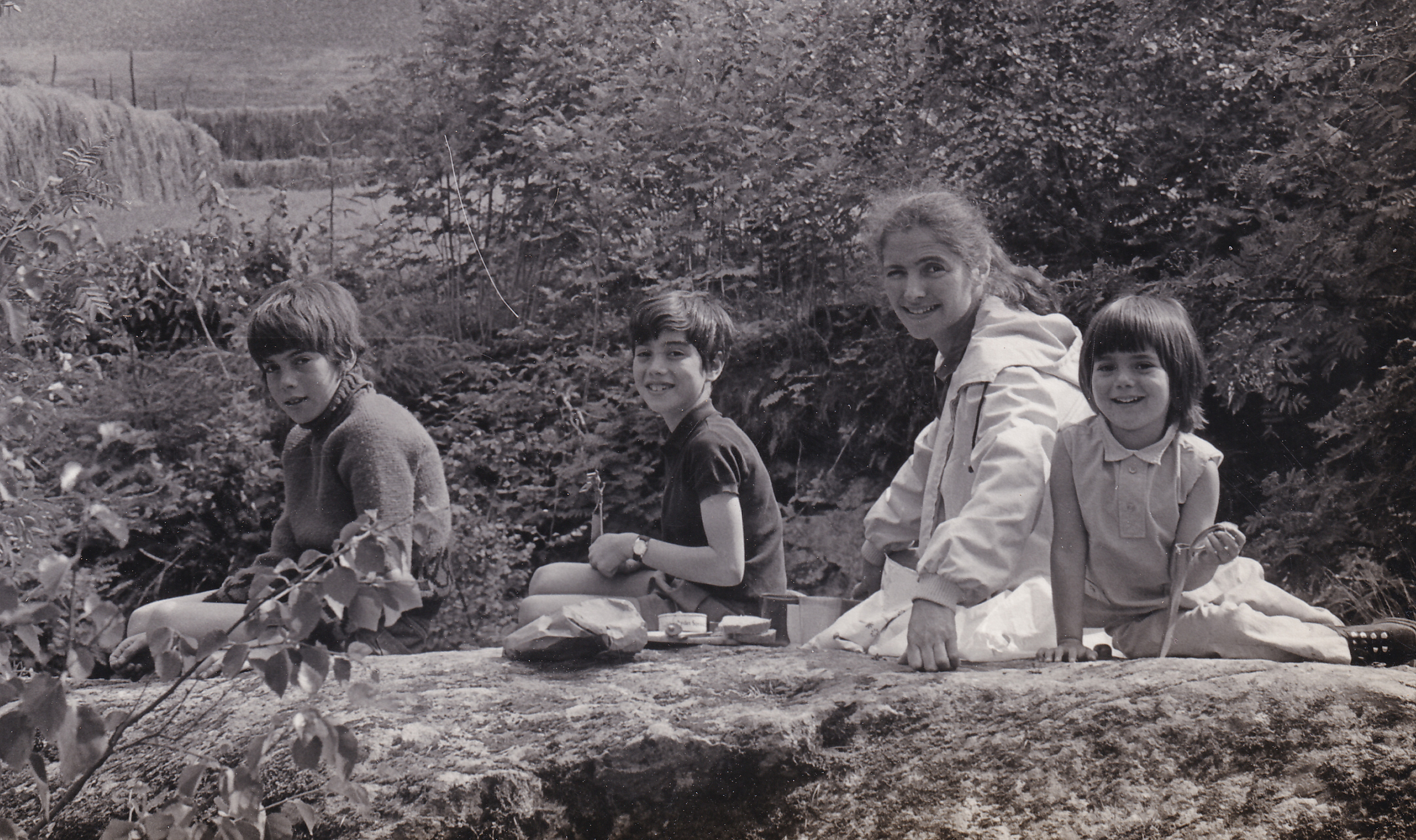
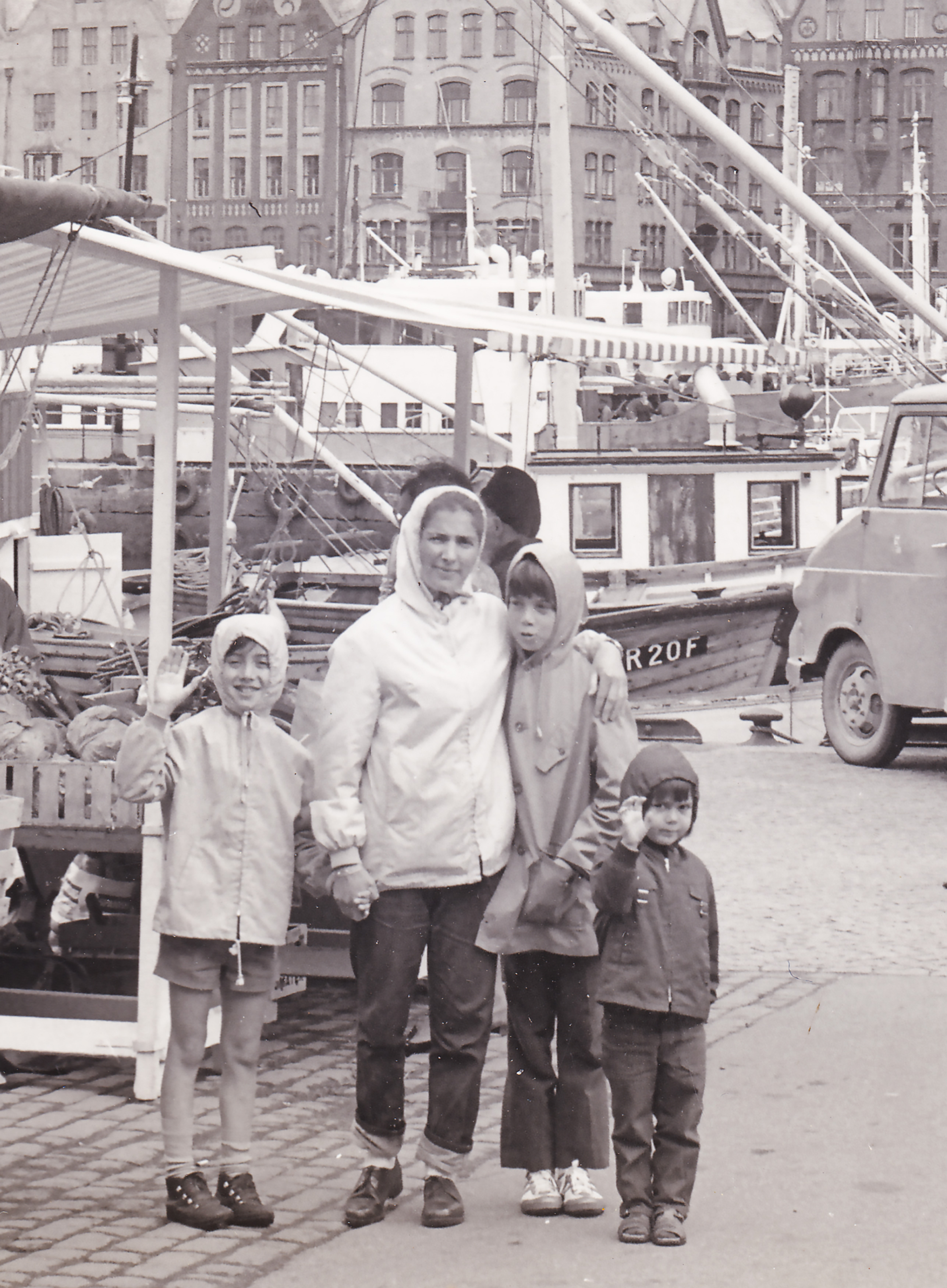
The family grew when Micha was born, followed by Leora. In 1966, the Tal family moved to The Hague, Netherlands, where they lived for five years. They returned to Israel in 1971.
© Private property of the Tal family
© Private property of the Tal family
© Private property of the Tal family
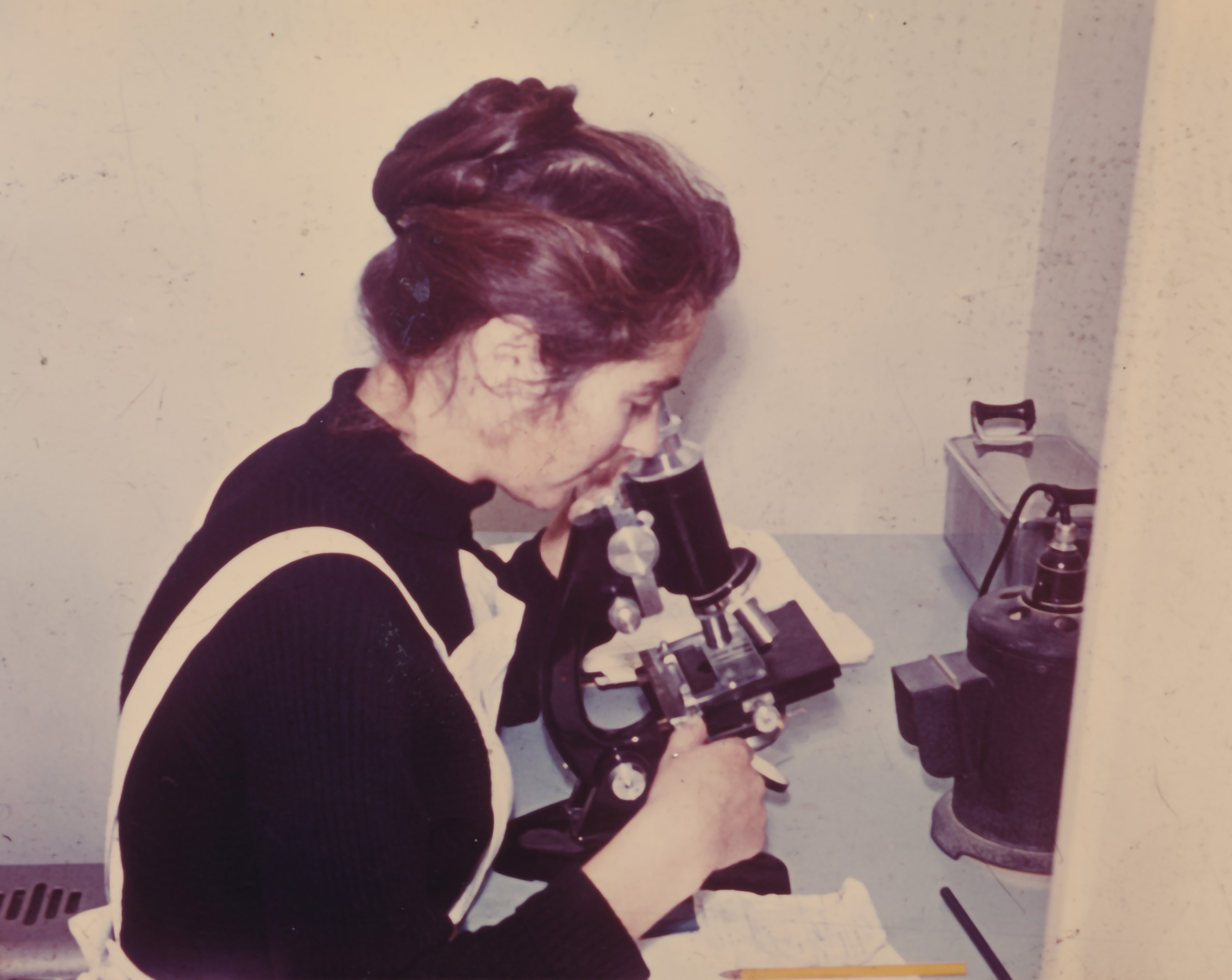
Back in Israel, Annelie worked in a laboratory at Soroka Medical Center in Be’er Sheva. She analysed chromosome for genetic variations.
© Private property of the Tal family
Over the years, daily life, and the growing family of children and grandchildren, as well as many friends, helped numb the pain of the past.

© Private property of the Tal family
Annelie died on 25 December 2015, at the age of 85. She is survived by three children, twelve grandchildren, and 18 great-grandchildren.
Why did Ab emigrate to Israel in the late 1950s?
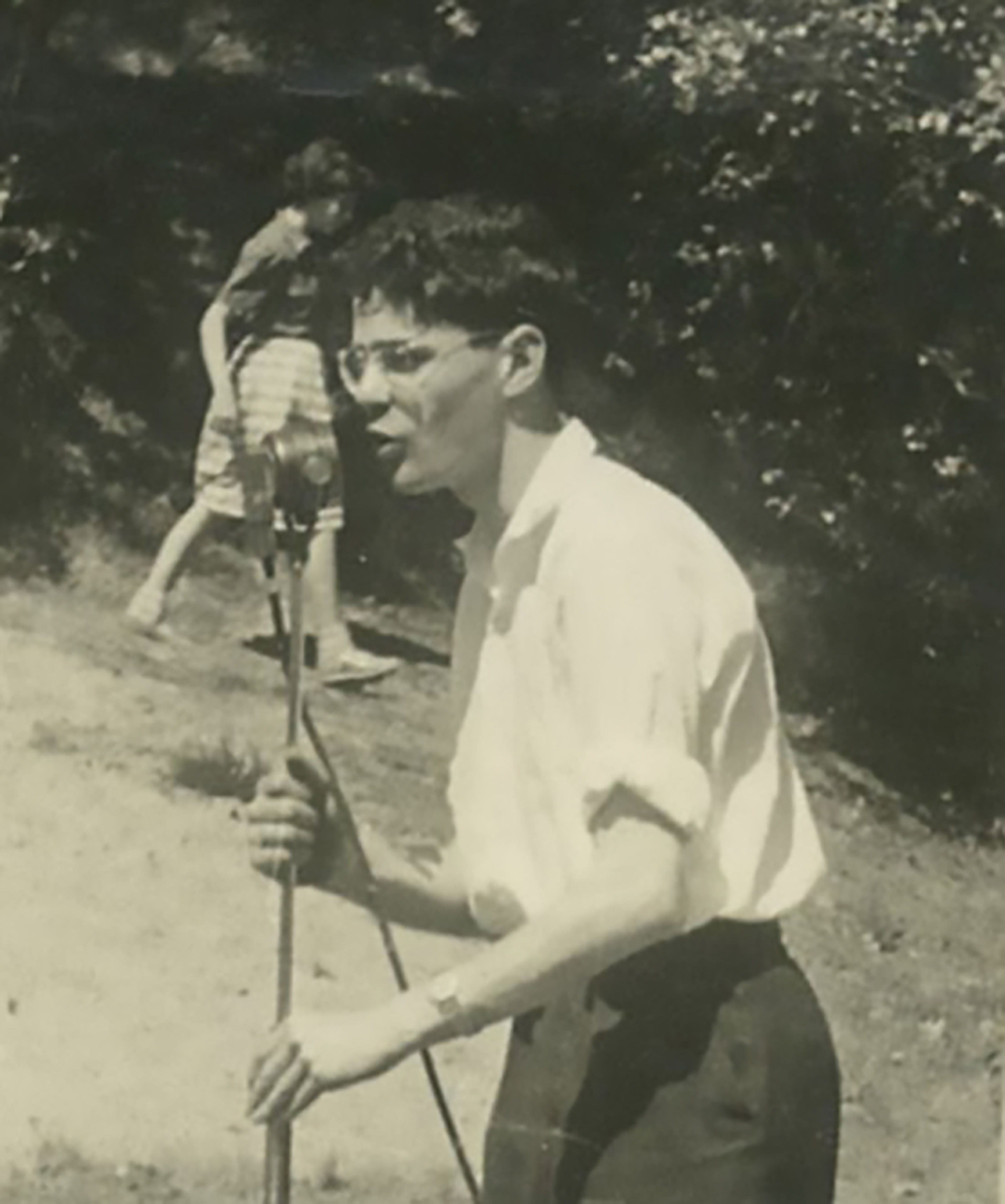
Even as a teenager, Ab knew that he would someday live in Israel. He finished school in Amsterdam, studied and started a family. After earning his doctorate in physics in 1958, he got a job as a researcher in Israel.
© Private property of the Rinat family
In September 1945, we returned to school. The three of us – Marco, Sol and me – went to a general high school. Weiter
The original building where our high school had been located was demolished in the “Hunger Winter” of 1944–1945: its wooden construction was used for firewood. We had to move to another high school building, where we studied in two shifts – morning and afternoon. Sol and I were placed in the fourth grade based on our age. Of course, we lagged behind in our studies, but not in all subjects: we had practiced mathematics a lot while in hiding. In this class, I met two people who became my best friends for life.
In the meetings of ‘She’ar Yashuv’, the Jewish youth movement established right after the war, I made many friends, most of whom later immigrated to Israel. Weiter
Two years later, I enrolled in math and physics, an easy decision for me. About a month after lectures began, on 29 November 1947, we heard that the British Mandate had ended and the Palestine Partition Plan had been accepted. It was the fulfillment of the Zionist dream that Mother had instilled in us from childhood. We did not know when we would reach the new land; we were busy with studies and life.
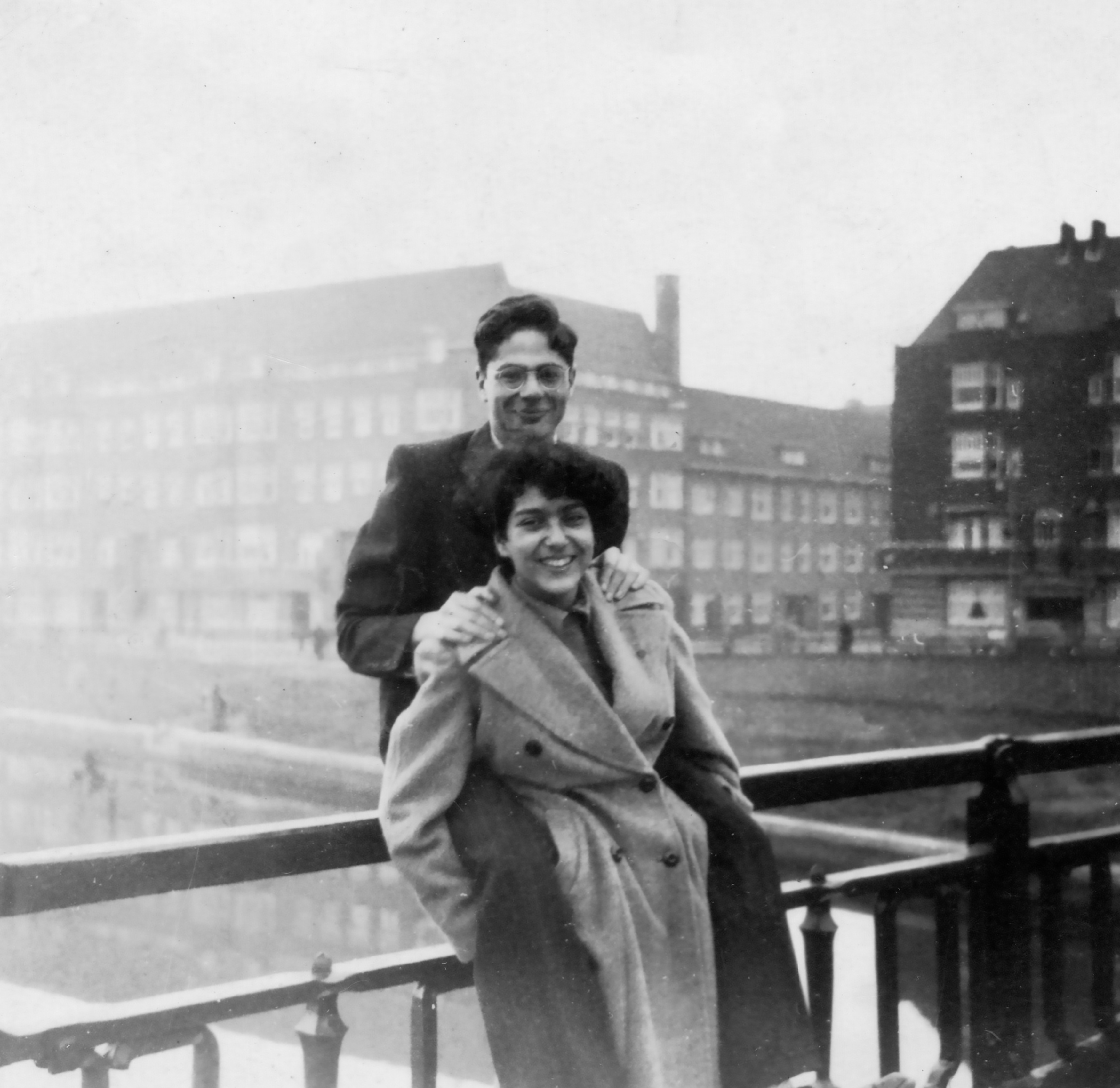
© Private property of the Rinat family
On the day of Juliana’s coronation as the new queen of the Netherlands, I sat near No’omi on the roof of a building on the outskirts of Amsterdam… to watch the fireworks… It was love at first sight!
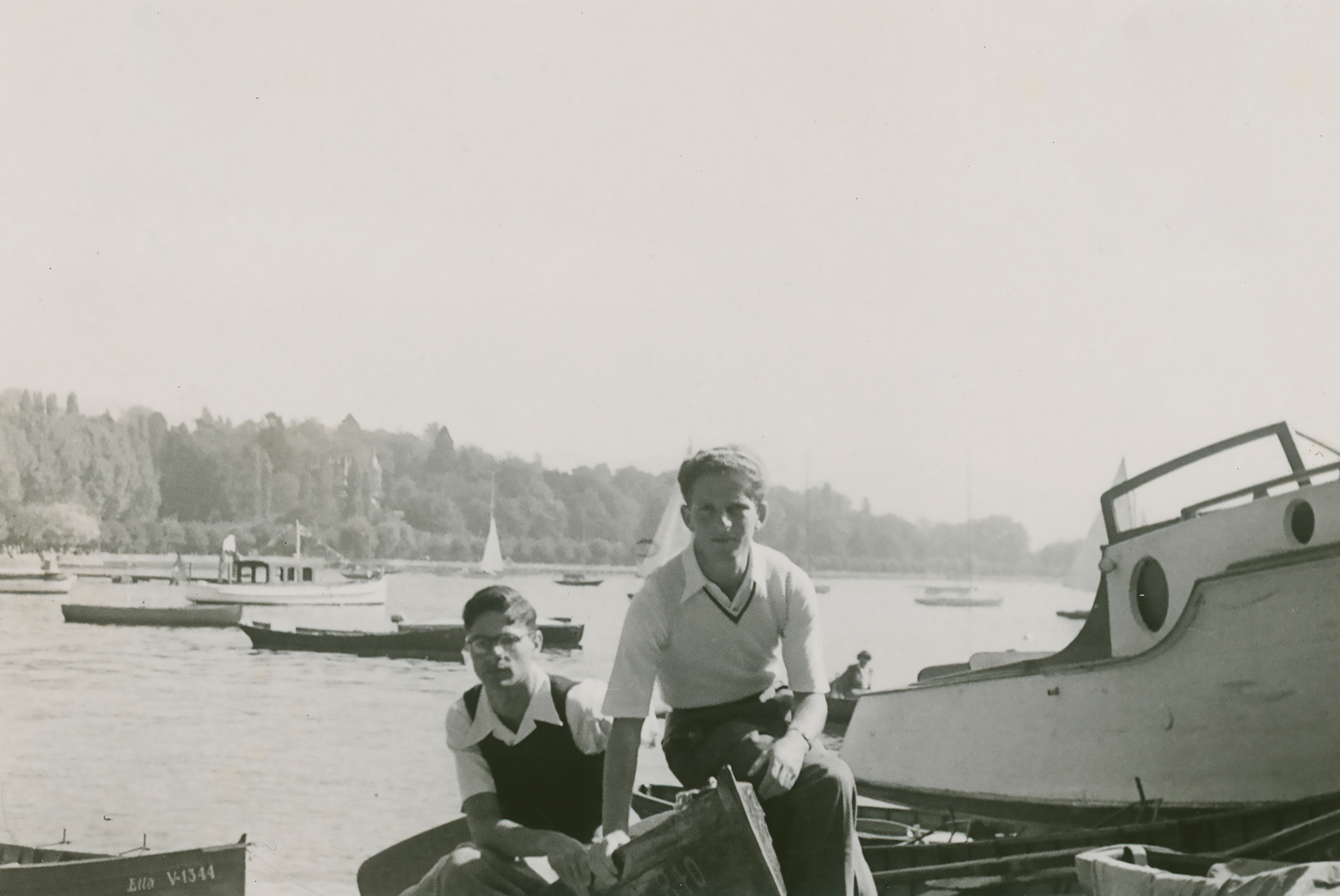
© Private property of the Rinat family
In the summer of 1944, Mother had promised to fund a trip to Switzerland if we survived the war healthy and intact. Weiter
Despite all the pain, sorrow and struggles, the dream of taking the big trip to Switzerland had not faded. We saved money from tutoring, and Mother added her share. She said wholeheartedly, “Well, then go!” She wanted us to have the experiences of young people. Sol and I travelled for a month on an adventure trail, but it felt like a whole year. It was a total release after the terrible experience we had left behind. We did not have a camera, but the trip was so exciting that to this day, we still remember everything.
We returned to school full of vigor, and on the request of Uncle Moishe, Dad’s brother-in-law and partner, we also worked for a year at the Rynco factory.
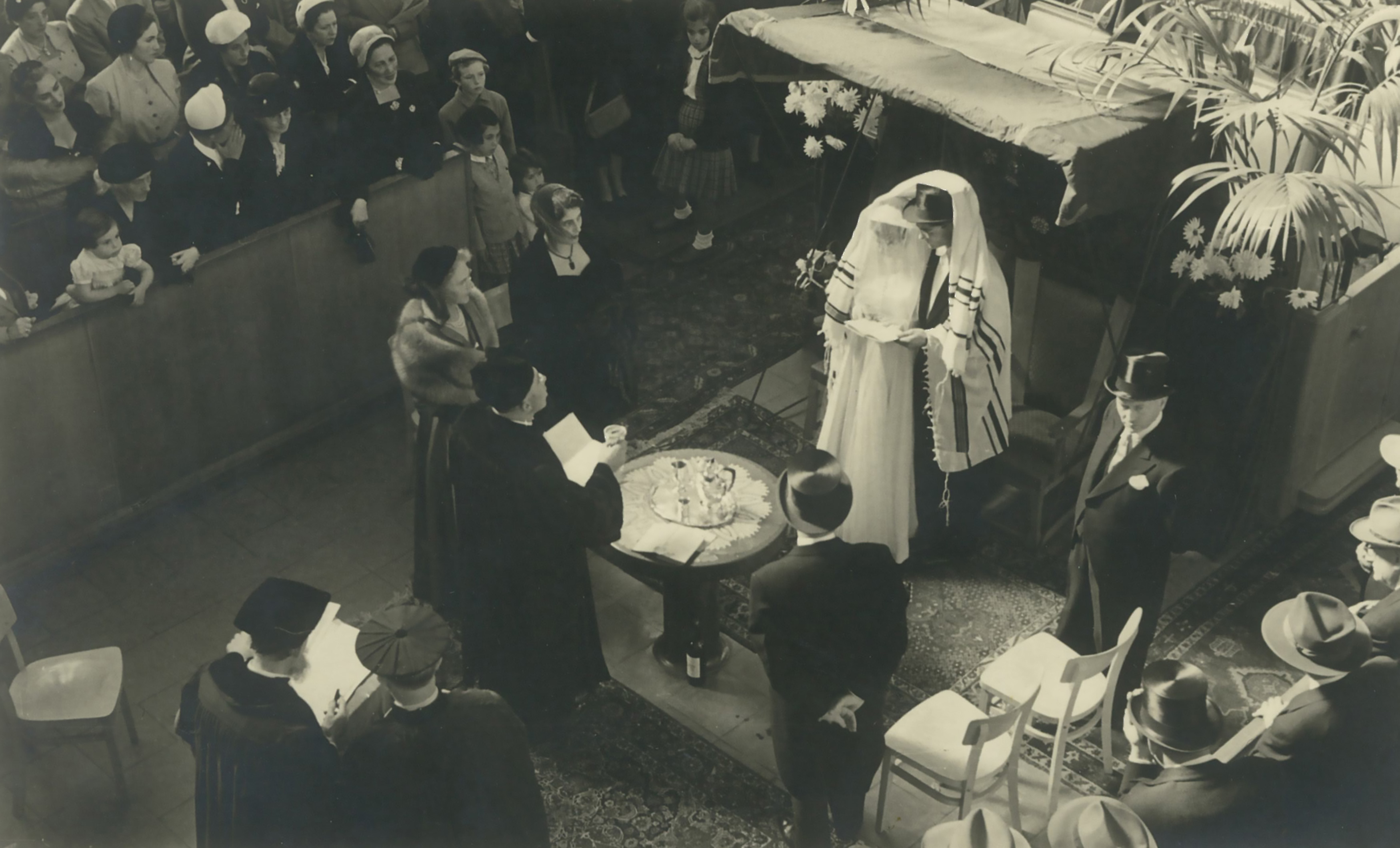
© Private property of the Rinat family
No’omi and I got married in 1952, and our eldest son, Amos, was born later that year.
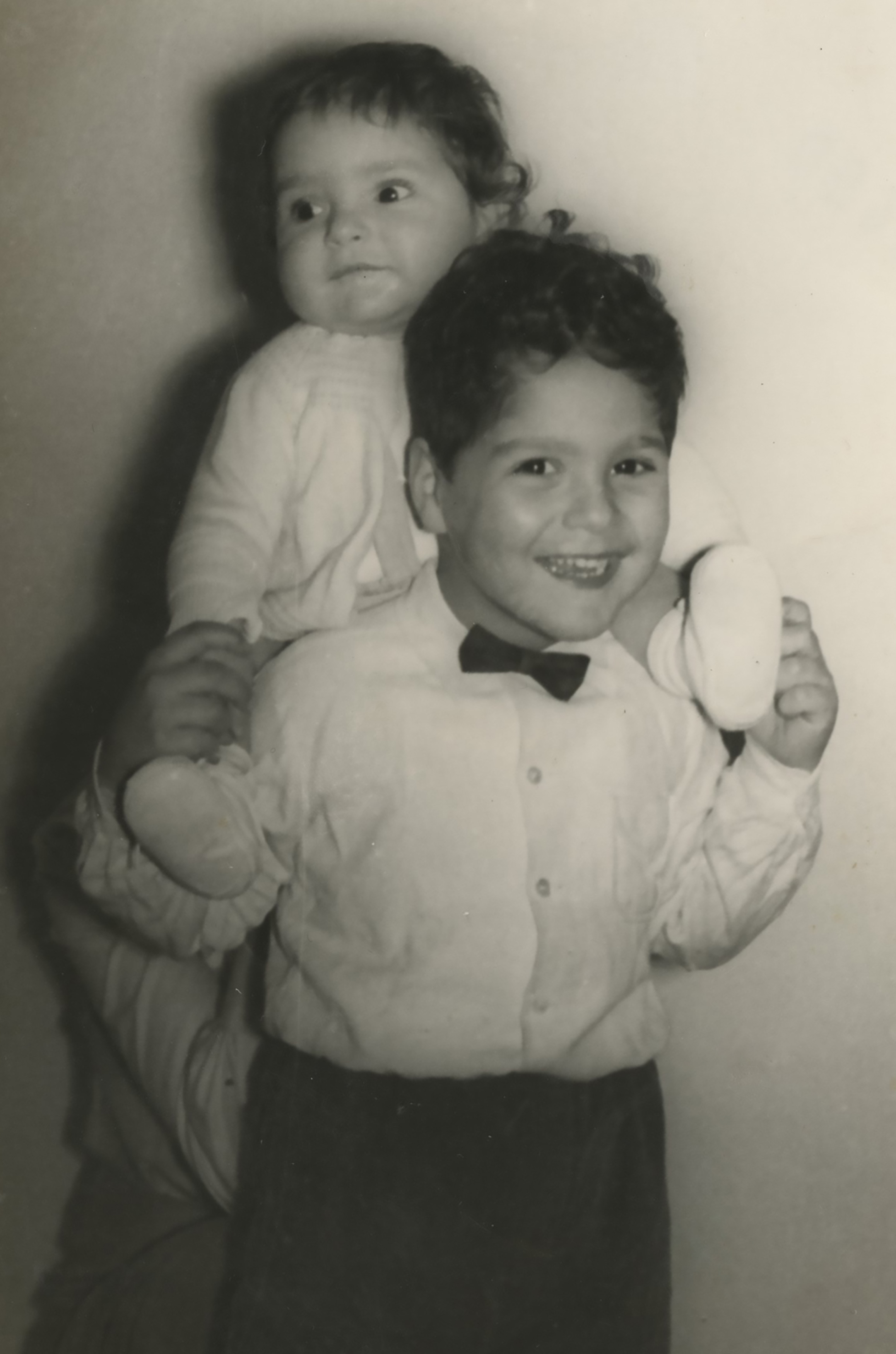
© Private property of the Rinat family
When Amos was three and a half years old, his brother, Elyakim, was born, and two years later, Choni, another brother, was born.
In the meantime, I was offered a job at the Weizmann Institute, exactly what I wanted. In February 1959, we made Aliyah. Weiter
We travelled with Chanan and Annelie and their little son on a week-long journey by train and ship to Israel.
We settled in Rehovot, where we live to this day.
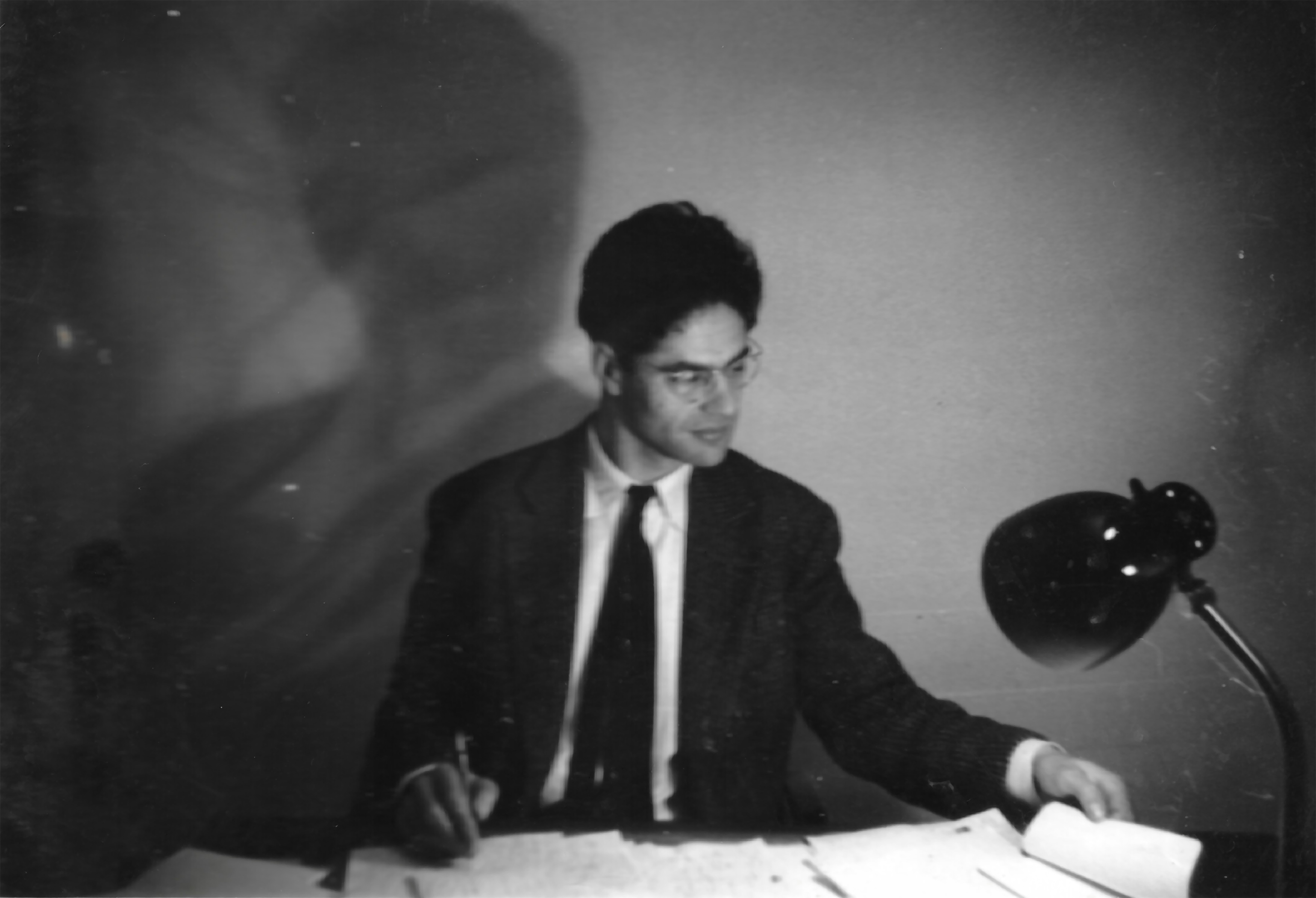
© אוסף משפחת רינת
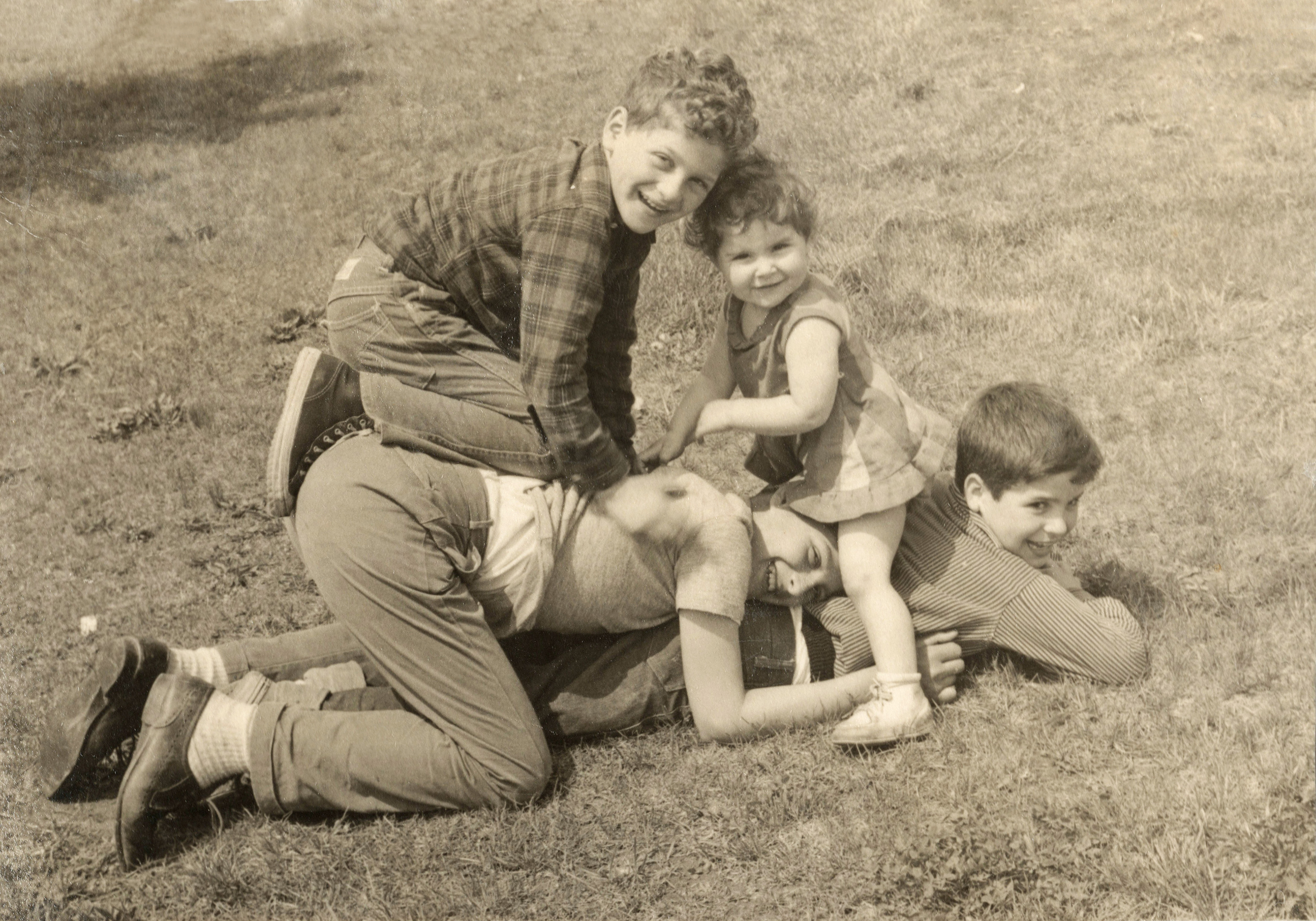
© Private property of the Rinat family
In the summer of 1963, Ariella, a little princess, was born, and when she was one, we went on a sabbatical to MIT (Massachusetts Institute of Technology) in Boston. Weiter
I met interesting people there, but it was a major challenge for me to deal with the issues they raised. After we returned to Israel, I continued to conduct research, which is an ongoing process of trial and error.
In February 1966, Dalit, our second daughter, another little sister, was born.
Of course, I was very happy with Israel’s brilliant victory in the Six Day War, but I was very disappointed by the inability of our leaders to convert this victory into an agreement.
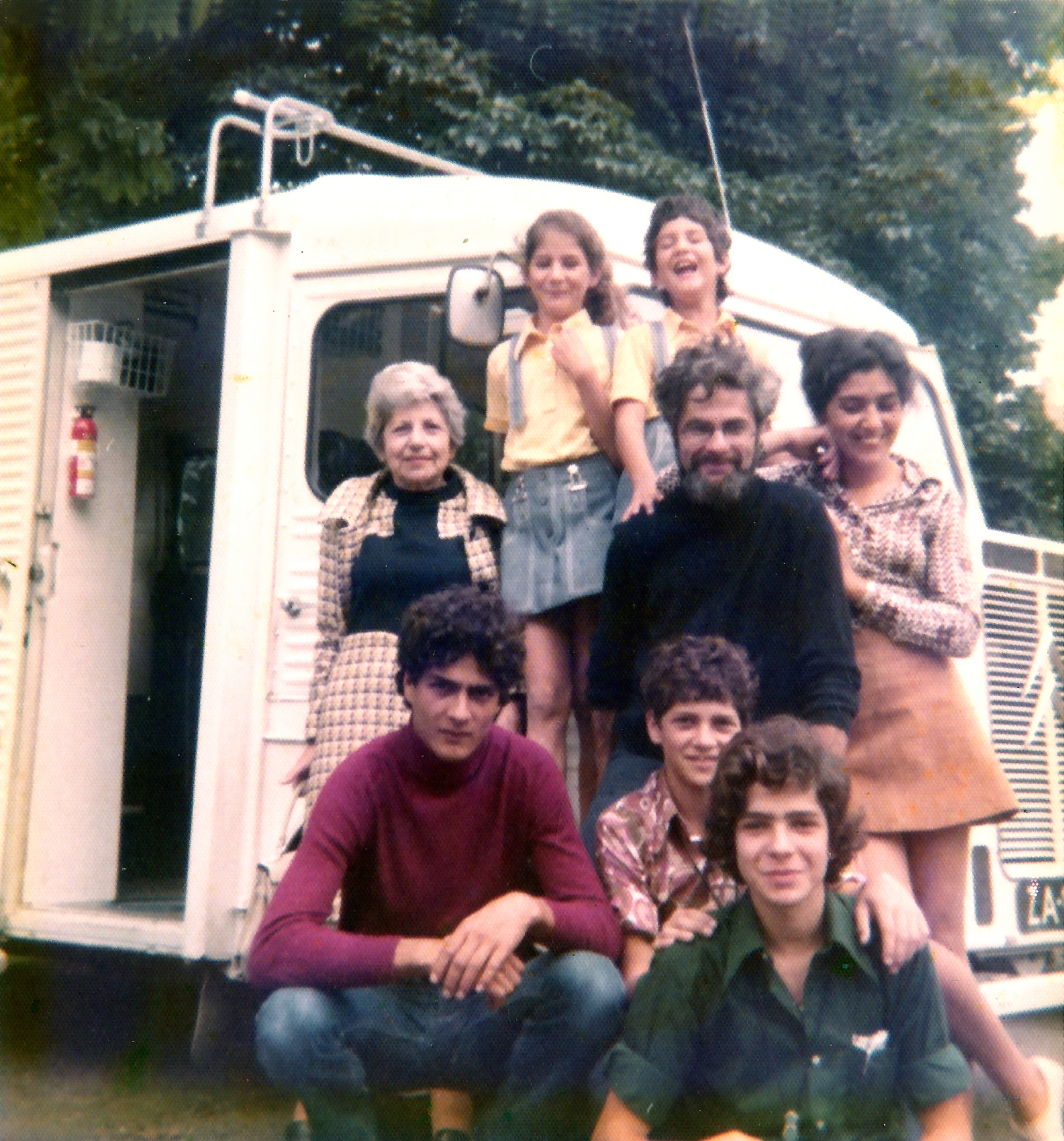
© Private property of the Rinat family
Throughout the years, we kept in touch with Jo van der Helm and took advantage of trips to the Netherlands to come visit her.
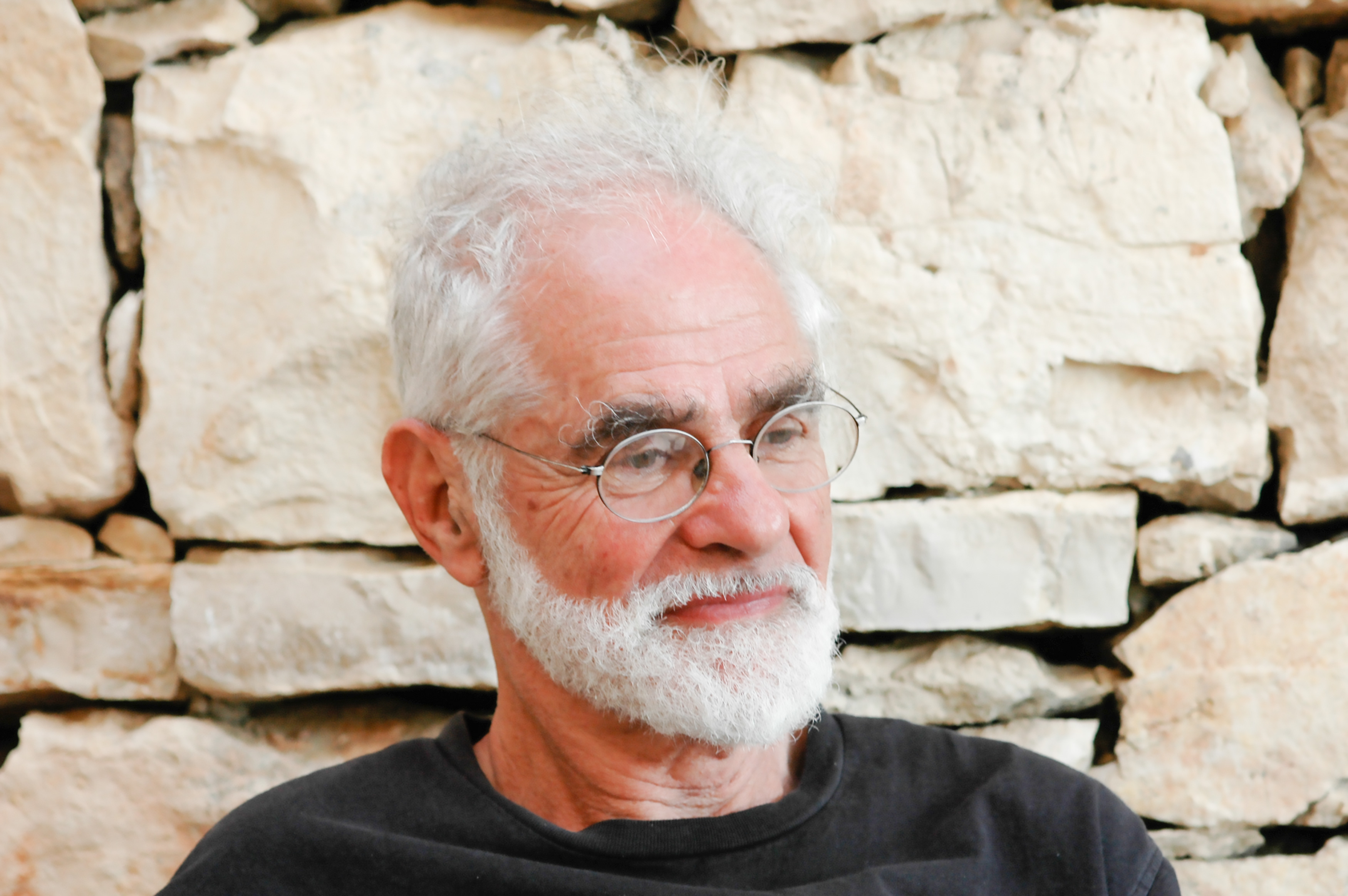
© Private property of the Rinat family
“The children have grown up and started families. They are very dedicated to us and maintain a close relationship with us and each other.”
Ab passed away on 21 September 2025, at the age of 96.
Why did No’omi dream of emigrating to Israel?
No’omi wanted to start a new life after the Holocaust and build a better society. She found like-minded people in the Zionist youth movement “She’ar Yashuv”. After starting a family in the Netherlands, she emigrated to Israel in 1959.
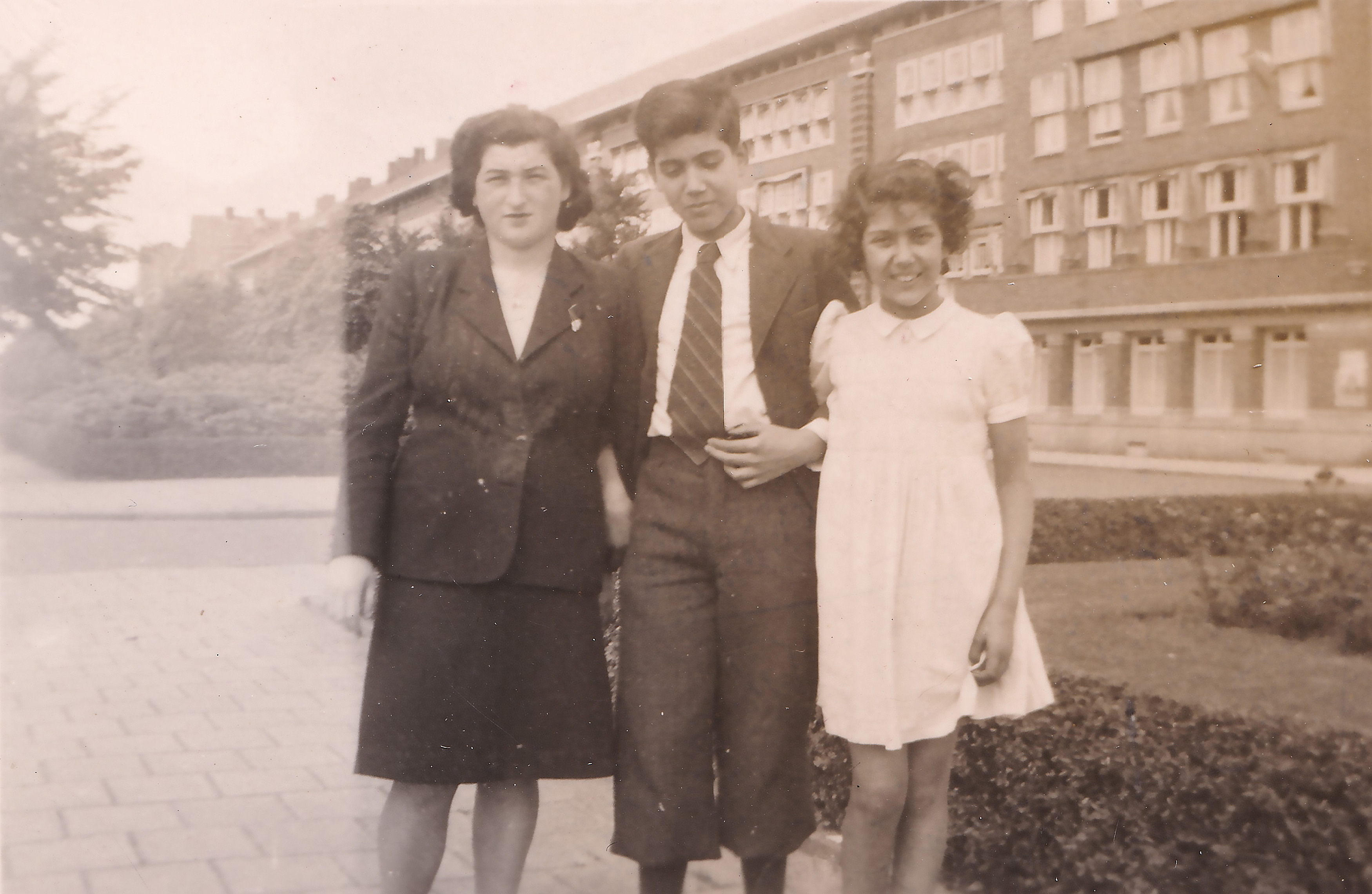
© Private property of the Tal family
I went back to school in September 1945, a Montessori school where I could learn at my own pace and make up for the time I missed. Weiter
After a year, I started high school. I liked the lessons, but socially I felt quite disconnected. I had one friend, a Jewish girl.
In the youth movement, “She’ar Yashuv”, I felt much better. The people there had a background and dreams similar to mine.
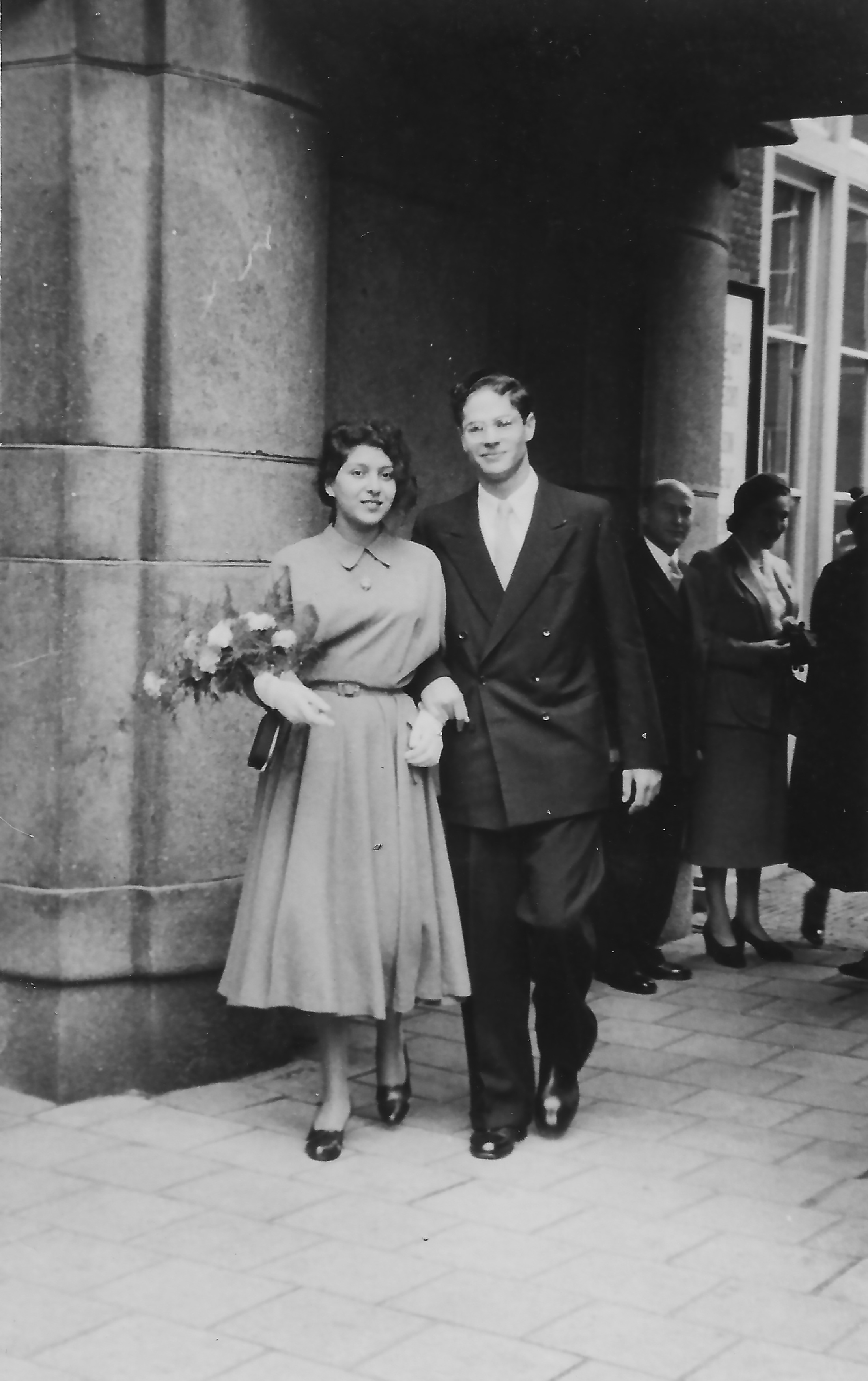
© Private property of the Rinat family
Ab and I met in 1948, and were married in 1952.
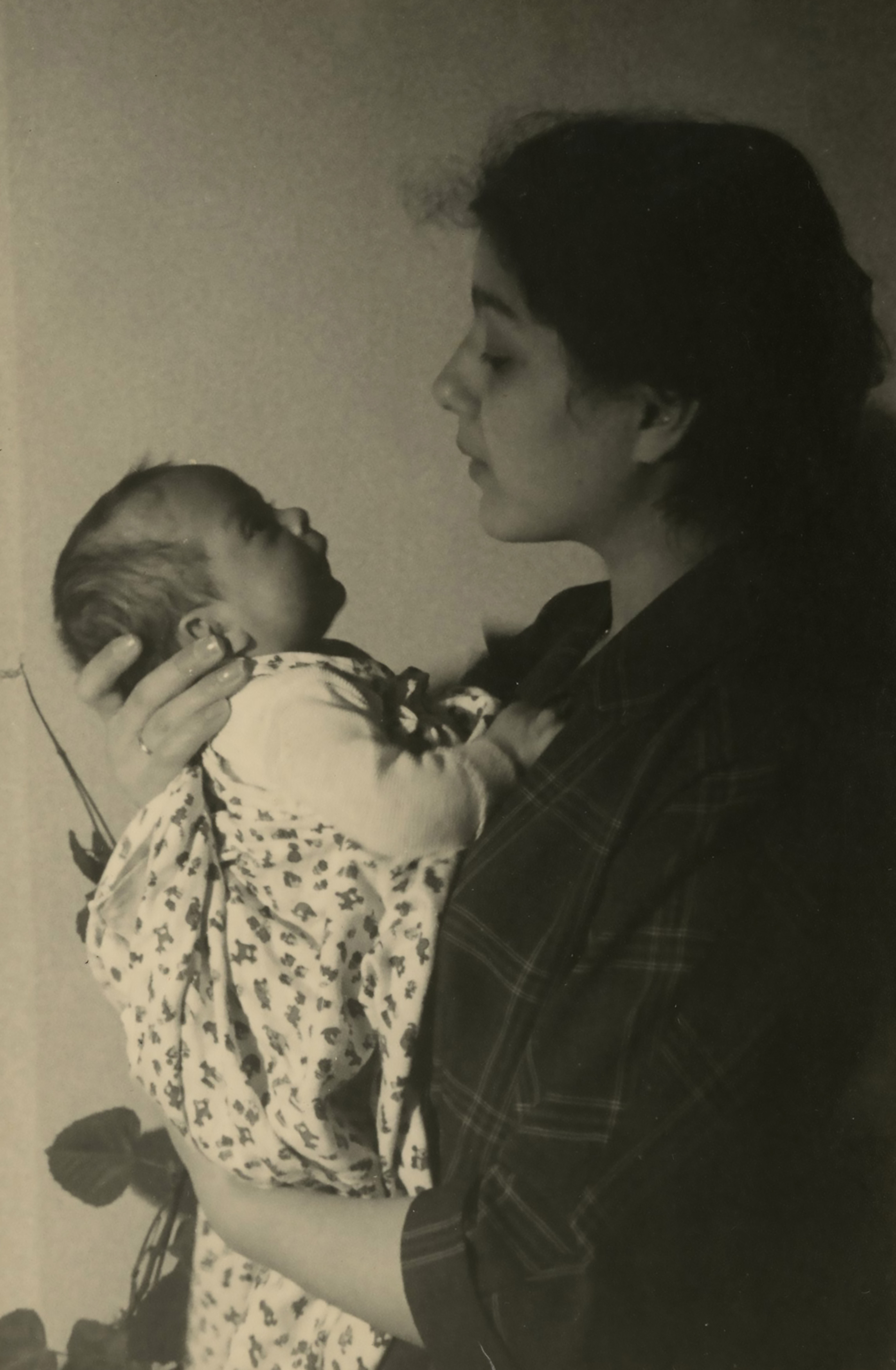
© Private property of the Rinat family
In Bergen-Belsen, I saw how extreme experiences can affect a person. Weiter
How severe hunger collapses any moral judgment. I realized that before judging a person for his actions, one must first understand him.
This led to my decision to study psychology. The study process took a long time. Weiter
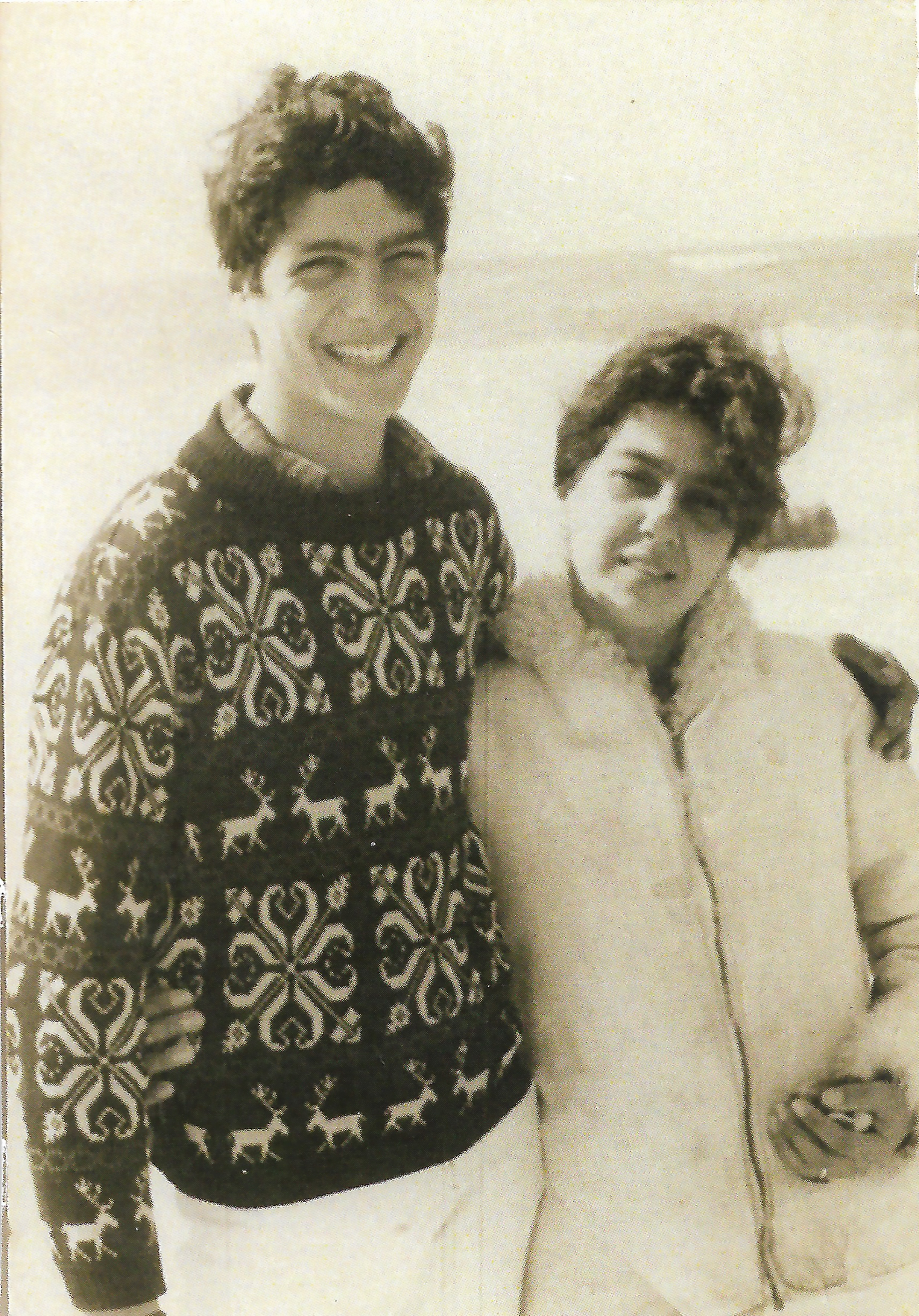
My schedule of studies was determined by the studies and work of Ab, and by the children, and our immigration to Israel. In fact, I only studied in my leftover free time – in the morning, when the children were in kindergarten or school, and in the evening, when they were in bed.
I studied for a bachelor’s degree in Amsterdam. We immigrated to Israel after Ab was hired by the Weizmann Institute’s Department of Physics in Rehovot. After taking a year to adjust to the new place, I enrolled at Tel Aviv University.
© Private property of the Rinat family
“I took the final exam in preparation for the MA on the day Amos did his matriculation! I started working as a psychologist the same day that Dalit started first grade!”
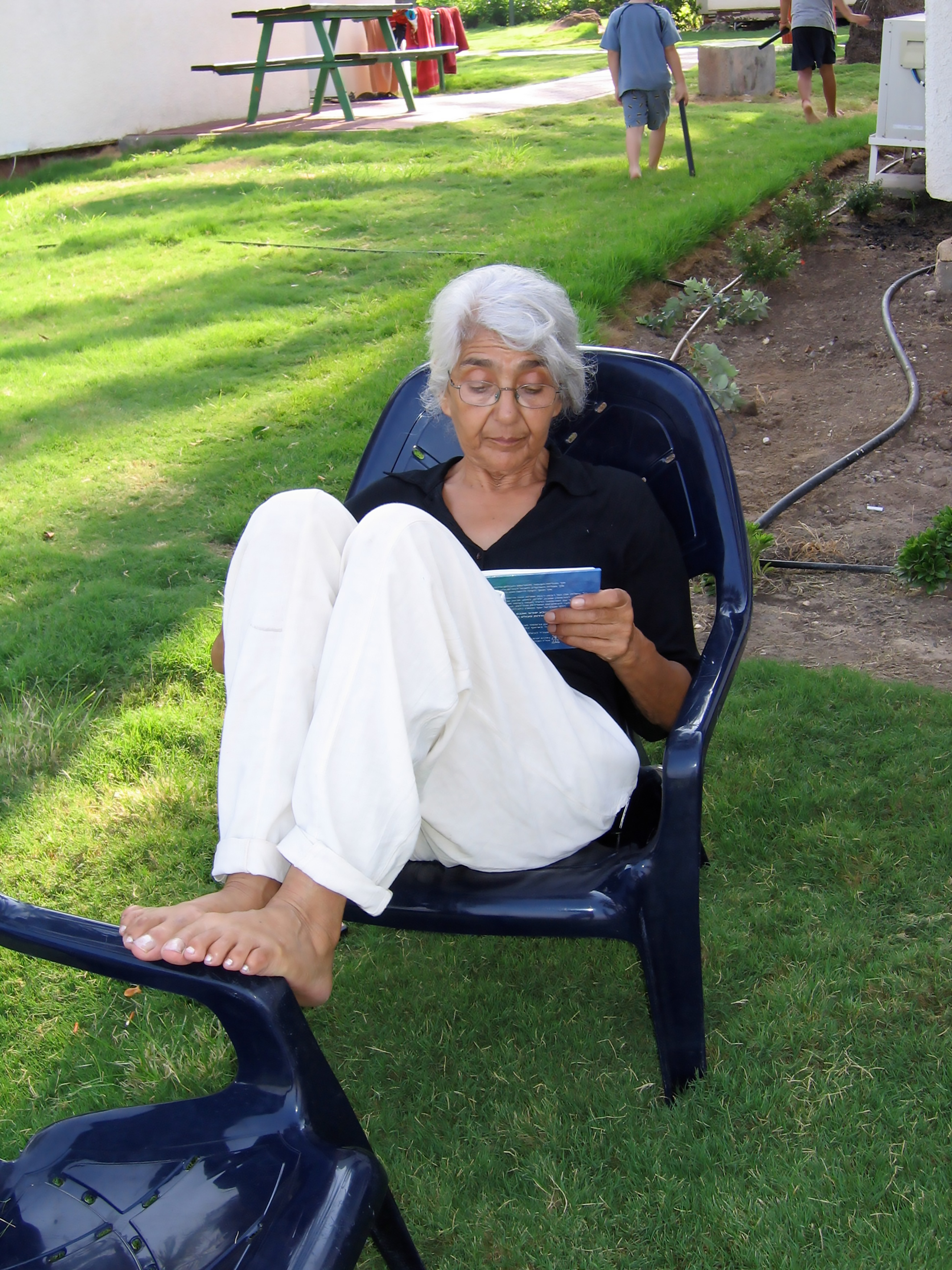
I worked at a day nursery for autistic children and at a youth clinic. Weiter
The personal meetings with the children were always held in close cooperation with the parents... I really liked the work, despite my frustration over how little can be achieved when the problems are so severe. I did not work miracles…
© Private property of the Rinat family
Immigrating to Israel was a dream come true. A naive dream that now ‘everything is over’ and there will be a new beginning, from now on everything will be fine… Weiter
After all we went through, even if Israel was a country I had never been to and knew almost nothing about... I had a feeling of coming home… to where I wanted to be.
© Private property of the Rinat family
Transcription
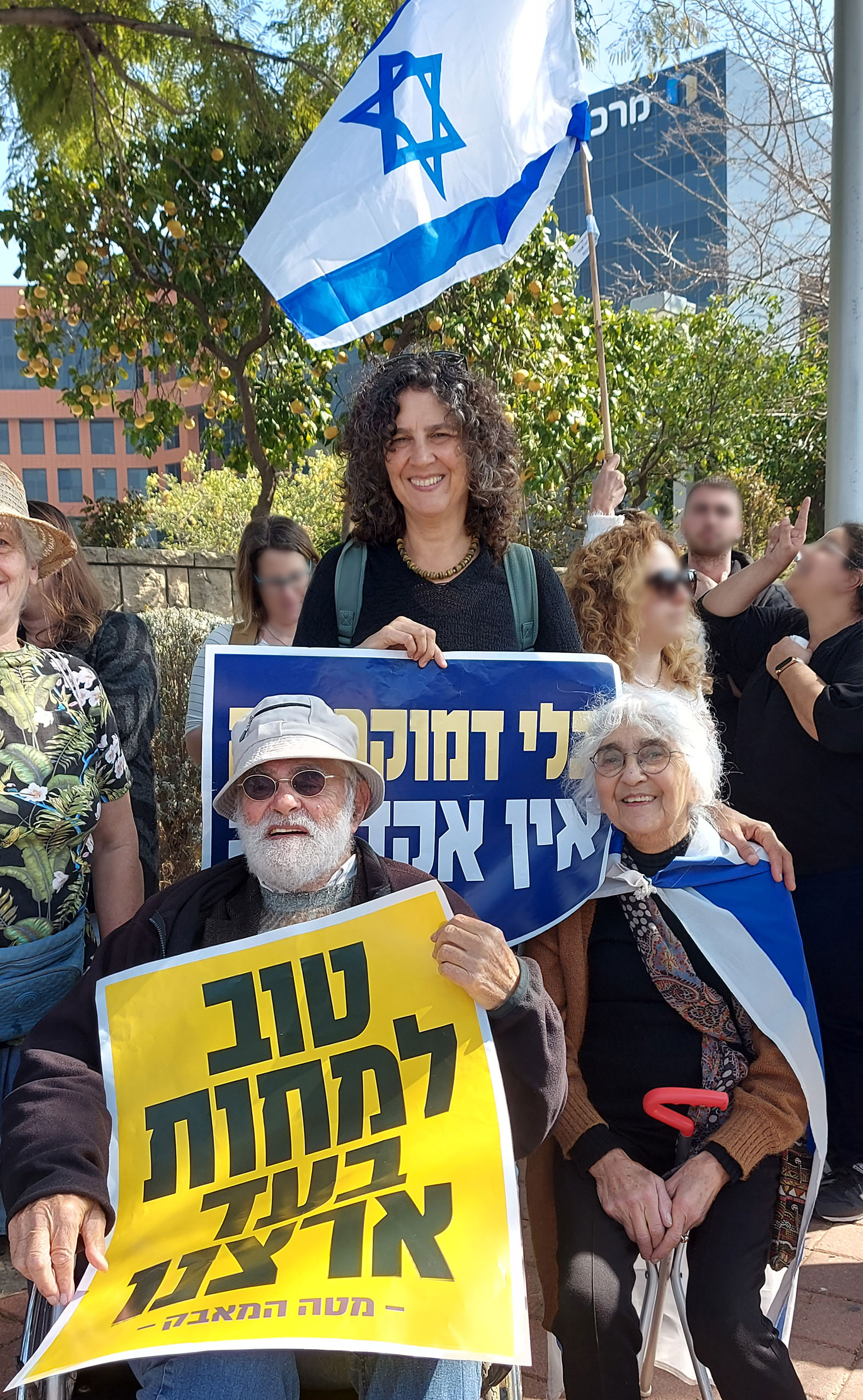
No Democracy, No Academy (back poster)
For decades, the Tal and Rinat families have been involved in the peace movement in Israel and working towards reconciliation with the Palestinians. A democratic society is an important issue to them.
The phrase “It is good to protest for our country” echoes another phrase that is very well known in Israel: “It is good to die for our country.”
The poster “No Democracy, No Academy” means that universities can only conduct free and good teaching and research in a democratic society.
This is still true, today. Israel is the place I want to be; that has not changed. But this place is so complicated, so problematic, and challenges our values. Weiter
There is the need to protect ourselves and stand up for our rights and also the duty to concede and consider the rights of others.
It has kept me very busy over the years and still keeps me busy, day in and day out. I did not retire from that.
© Private property of the Rinat family
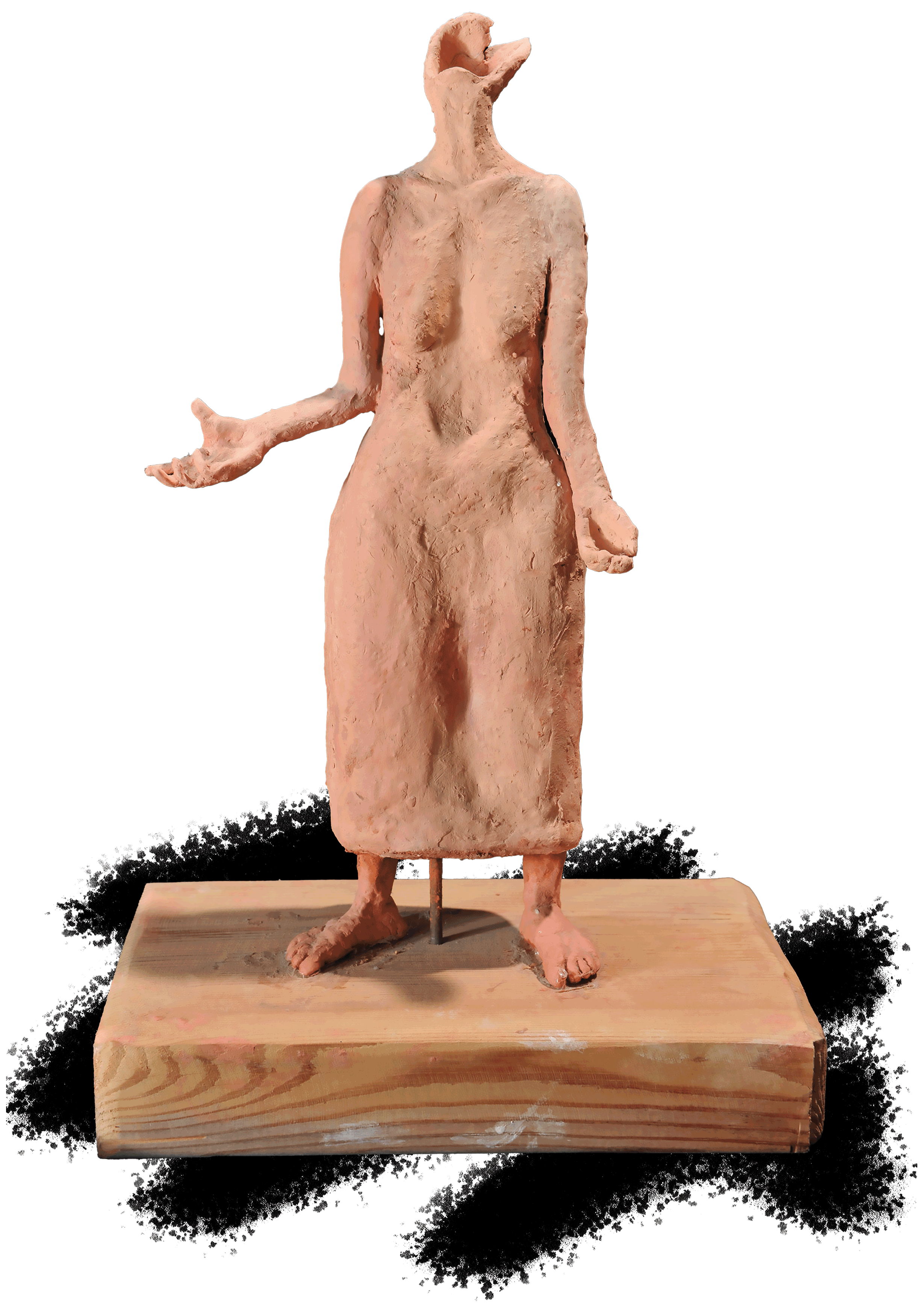
I enjoy my free time, spend time with children and grandchildren, read, sculpt and draw, something that has always appealed to me, and it gives me a lot of pleasure.
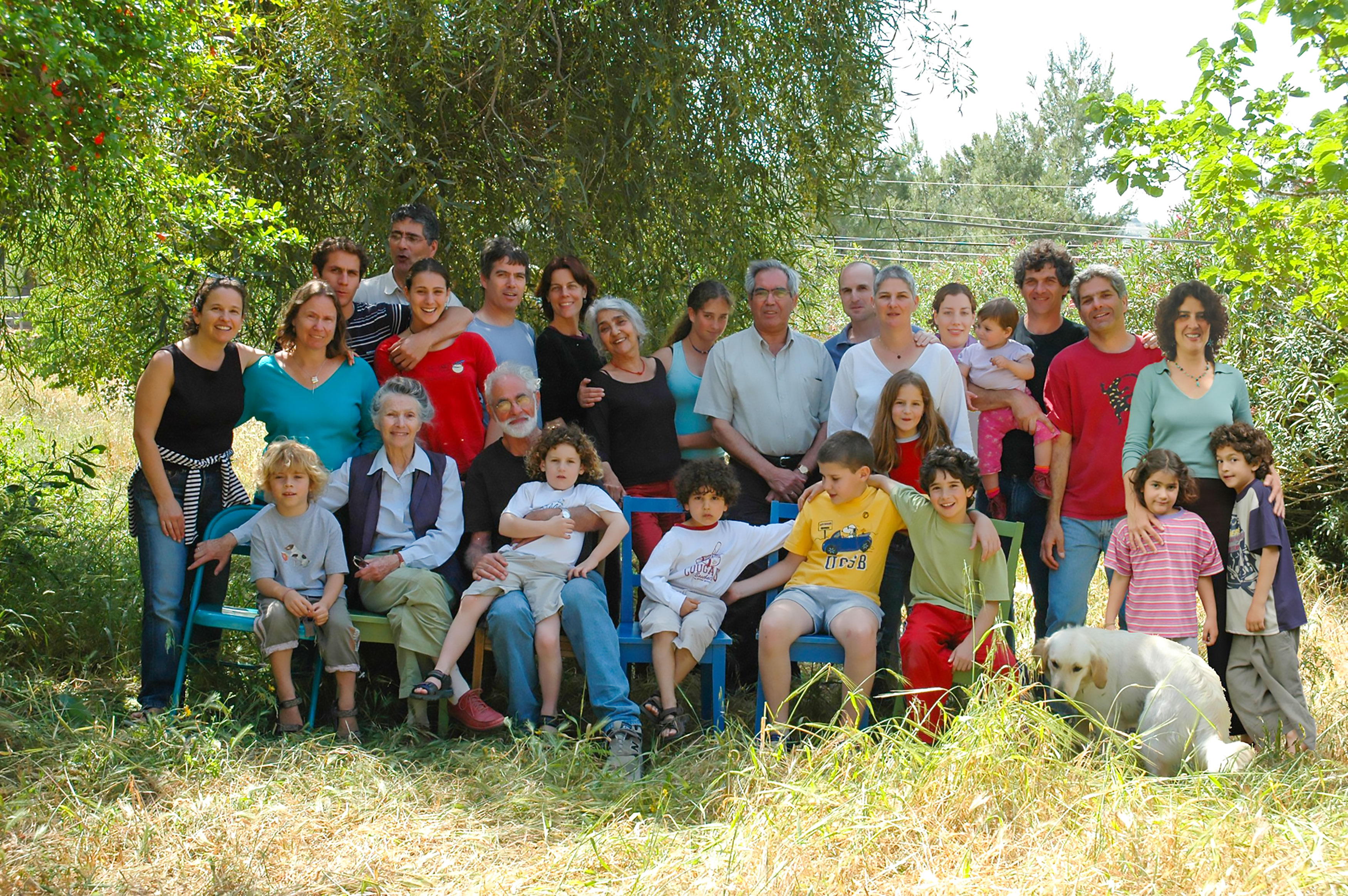
© Private property of the Rinat family
“Except for Elyakim, who lives in California and comes to visit a lot, all our children live in Israel. They are all very devoted to us, and we really enjoy them, and the grandchildren and great-grandchildren!”